
Block paving and concrete drives
Clean: Rotary surface cleaner at controlled pressure, with careful edge work.
Finish: Loose joints assessed before optional kiln-dried re-sanding.
Wigan · M29
From properties around Astley Green Colliery Museum and its Grade II listed headgear to the wider Wigan boundary: careful exterior cleaning with a written scope before work starts.

The first question for jet washing in Astley is what the surface is made from and how the property is used. The colliery museum volunteers, Astley Green village life and the Bridgewater Canal towpath. Near Astley Green Colliery Museum and its Grade II listed headgear, pedestrian movement, shared access or limited unloading space can matter as much as square metres. Colliery terraces at Astley Green, interwar semis along the A580 and modern estates towards Tyldesley. We use those local clues to plan protection for entrances, planting and neighbouring boundaries before testing larger drives, patios and shaded garden paths at a cautious setting.
Peat mossland and the East Lancs Road together mean damp, silty drives and a fast traffic film on frontages. In M29, that exposure is associated with persistent algae, moss and damp-weather film, but colour alone does not identify the cause. We check shade, drainage, joint depth, previous coatings and permanent material damage before recommending pressure, detergent or a softer treatment. The route from Tyldesley towards Boothstown is also noted where timing, parking or a long hose run changes the practical setup.
A detailed quote lists the chosen areas—driveway, patio, path, steps or boundary masonry—and states whether edge detailing, block-paving re-sanding or biocide is included. Natural stone, timber and render receive their own test rather than a driveway setting. Any open joints, unstable pointing, oil shadowing or repair needs are recorded in advance, giving the customer a realistic finish and a clear price.
We cover M29 with surface-specific exterior cleaning, clear preparation advice and optional aftercare.
Typical duration: two to five hours for a typical driveway and path.
Tell us the number of rooms, what matters most and how we get in. Access quirks in Astley are worth mentioning now: they change the time on site more than the floor area does.
You get a written figure for jet wash, itemised, normally within a few hours. No survey fee, and no surcharge for travelling to Astley.
Choose a morning or afternoon window. We plan around Astley traffic and parking so the crew arrives inside it.
Work runs to the written spec, and the job isn't closed until it has been checked against it. If something on the list was missed, we return and put it right free.
Jet wash is only worth booking if the crew turns up, prices honestly and finishes the spec. These are the commitments we hold ourselves to in Astley.
Every job in Astley is insured to £5m public liability, with goods-in-transit cover on anything we lift, load or take away.
You get the jet wash price in writing before we start. Access, stair turns and parking are priced in up front, not added afterwards.
Slots are planned around Astley traffic, permit zones and parking realities, so crews arrive inside the window we promised.
If anything on the jet wash spec is missed, we come back and put it right at no extra cost — that is the whole guarantee.
Surface-first exterior care
Pressure is only one part of the result. We match the tool, flow, treatment and finish to the material and its condition.
Clean: Rotary surface cleaner at controlled pressure, with careful edge work.
Finish: Loose joints assessed before optional kiln-dried re-sanding.
Clean: A small test patch checks stone response before the main clean.
Finish: Biocide can be quoted where shade encourages rapid organic regrowth.
Clean: Low-pressure soft washing or a reduced-pressure test; never the driveway setting.
Finish: Plants, doors and windows are protected, with access planned around Astley Green Colliery Museum and its Grade II listed headgear.
Local mini case study
Representative Astley planning scenario · M29
This is an illustrative, area-specific planning scenario based on local property and access conditions—not a claim about an identifiable customer.
Peat mossland and the East Lancs Road together mean damp, silty drives and a fast traffic film on frontages. On larger drives, patios and shaded garden paths, that exposure can leave persistent algae, moss and damp-weather film while low edges and nearby thresholds make uncontrolled run-off a concern.
Divide the exterior into material zones, photograph loose joints, test a discreet patch and use controlled fan pressure with rotary cleaning only on sound paving. Protect doors and planting, then direct the rinse towards the confirmed drainage fall.
The agreed area is left evenly cleaned with edges checked and access restored. Any permanent marks or repair needs remain documented, while optional re-sanding is scheduled only after the joints are dry enough.
Local survey and service notes
Built around Astley Green Colliery Museum and its Grade II listed headgear, the M29 property mix and the adjoining routes towards Tyldesley and Boothstown. This is practical survey guidance, not a claim that every surface in the area is identical.
Exterior cleaning around Astley Green Colliery Museum and its Grade II listed headgear starts with material identification. Colliery terraces at Astley Green, interwar semis along the A580 and modern estates towards Tyldesley.
The local exposure is relevant to both cleaning and aftercare. Peat mossland and the East Lancs Road together mean damp, silty drives and a fast traffic film on frontages. Photographs of the darkest and lowest points help separate surface dirt from a drainage or repair issue.
The finish is selected after the material is confirmed: an even rinse for sound concrete, re-sanding only when block joints are dry, and optional biocide where recurring organic growth makes it useful. Existing cracks or failed pointing are photographed, not hidden by a promise of a uniform result.
Astley Green Colliery worked the Chat Moss coalfield from 1908 to 1970; the headgear and engine house survive as a museum. That development pattern explains why apparently similar frontages can combine original masonry, later concrete repairs, painted render and replacement paving. The crew separates those materials into working zones, tests the least robust zone first and records any pre-existing movement before water reaches the surface.
The colliery museum volunteers, Astley Green village life and the Bridgewater Canal towpath. Around those everyday local movements, hoses and rotary equipment must not turn a shared entrance into an unmanaged obstruction. The arrival note identifies the safest unloading point, the order of work and the point at which each cleaned route can be released for use.
The colliery museum volunteers, Astley Green village life and the Bridgewater Canal towpath. A visit is therefore planned around the actual address rather than a borough-wide assumption. The quote request should mention permit bays, shared entrances, locked side passages, steps and the distance from tap to working surface.
Run-off is planned before machinery is unloaded. Around Astley Green Colliery Museum and its Grade II listed headgear, the quotation should show the working area, likely water route and any edge that needs hand detailing.
Where a route crosses a communal path, the crew agrees a safe working order and keeps hoses visible. Rinse water is directed away from public routes and neighbouring thresholds wherever the site's falls permit; blocked or unsuitable drainage is raised before work starts.
Wigan-borough village on the edge of Chat Moss, with the last pit headgear in Lancashire on its doorstep. In practical terms, the survey distinguishes private drives from communal approaches, checks whether water can travel under gates, and notes walls or railings likely to receive splash-back. The team works from the highest suitable point towards controlled collection and drainage rather than pushing residue towards a neighbour.
Astley Green Colliery worked the Chat Moss coalfield from 1908 to 1970; the headgear and engine house survive as a museum. Older street patterns can leave narrow side access, cellar lights, low air bricks or patched thresholds. These are photographed in the quote brief. If the only hose route crosses an internal or shared space, that constraint is agreed before an appointment is offered.
Peat mossland and the East Lancs Road together mean damp, silty drives and a fast traffic film on frontages. For a Astley clean, that evidence points the survey towards persistent algae, moss and damp-weather film while still leaving room for a test patch to identify oil, rust, lichen or coating failure correctly.
A useful quote distinguishes cleaning from restoration. Pressure can remove loose contamination, but it cannot repair spalled concrete, open joints or permanent oil shadowing. Those limitations are recorded alongside any optional re-sanding or treatment.
The handover is matched to the agreed outcome. A maintenance clean may need only an even rinse and edge work; neglected paving may need staged treatment; recently laid or damaged material may be unsuitable. Before-and-after photographs record the result without pretending that cleaning renews the underlying surface.
Colliery terraces at Astley Green, interwar semis along the A580 and modern estates towards Tyldesley. These materials do not share one safe pressure. Sound concrete may accept a rotary cleaner, open-textured stone needs a cautious fan and test, block paving needs joint assessment, while pebbledash, timber and render can require reduced pressure or soft washing.
Astley Green Colliery Museum and its Grade II listed headgear is the page's geographic reference, but the treatment decision comes from close photographs and the on-site patch. The completion record names the cleaned material, any remaining permanent marks, the finish applied and the weather advice given to the customer.
Boundary streets can combine different property stock, access and exposure. These notes explain what to include when the address sits towards a neighbouring service area.
On the Astley side of the boundary with Tyldesley, the exterior-cleaning brief can change quickly. Terraces stepping down the hill, interwar semis and modern estates.
Hillside run-off plus mossland mist below leave stone steps and drives green through winter. Compared with Astley's pattern — peat mossland and the east lancs road together mean damp, silty drives and a fast traffic film on frontages. — this is why photographs of the exact surface are more useful than selecting a treatment from the postcode alone.
For addresses between Astley Green Colliery Museum and its Grade II listed headgear and the Tyldesley side, the booking notes should identify the full postcode, parking arrangement and whether access is from the front, a side passage or a shared rear route. The next adjoining option is Boothstown; its local page gives separate surface and access guidance rather than repeating this Astley plan.
Terraces stepping down the hill, interwar semis and modern estates. When that stock meets Astley's colliery terraces at astley green, interwar semis along the a580 and modern estates towards tyldesley., a single booking can contain different slab ages, joint depths and boundary finishes. The estimator labels each zone and avoids carrying a driveway setting onto steps, walls, timber or weathered pointing.
Cotton and coal town; Astley Green's headgear is the last surviving pit gear in Lancashire. The resulting road and plot pattern is relevant where parking, rear access or shared yards change near the boundary. A useful enquiry therefore includes one wide photograph for access, one close photograph for material and staining, and approximate dimensions for every separate surface.
Tyldesley Market, Astley Green museum volunteers and strong local clubs. Appointment timing can matter on busy local routes. Before confirming the date, the team checks unloading, pedestrian movement, school or market activity where relevant, and whether another resident or business controls any gate, tap or socket needed for the work.
The environmental contrast is also explicit: Hillside run-off plus mossland mist below leave stone steps and drives green through winter. The Astley side is described as peat mossland and the east lancs road together mean damp, silty drives and a fast traffic film on frontages. Those details guide questions about shade, grit, traffic film, leaf fall and regrowth, but the test patch remains the deciding evidence for chemistry and pressure.
The local service route towards Boothstown is useful context when access or property form differs across adjacent streets. Grew from a Bridgewater colliery hamlet into 1980s–2000s private housing along the canal.
Canal-side damp and towpath tree cover make block paving prone to green algae in shaded plots. Compared with Astley's pattern — peat mossland and the east lancs road together mean damp, silty drives and a fast traffic film on frontages. — this is why photographs of the exact surface are more useful than selecting a treatment from the postcode alone.
For addresses between Astley Green Colliery Museum and its Grade II listed headgear and the Boothstown side, the booking notes should identify the full postcode, parking arrangement and whether access is from the front, a side passage or a shared rear route. The next adjoining option is Leigh; its local page gives separate surface and access guidance rather than repeating this Astley plan.
Modern detached and semi-detached homes with block-paved drives and conservatories. When that stock meets Astley's colliery terraces at astley green, interwar semis along the a580 and modern estates towards tyldesley., a single booking can contain different slab ages, joint depths and boundary finishes. The estimator labels each zone and avoids carrying a driveway setting onto steps, walls, timber or weathered pointing.
Grew from a Bridgewater colliery hamlet into 1980s–2000s private housing along the canal. The resulting road and plot pattern is relevant where parking, rear access or shared yards change near the boundary. A useful enquiry therefore includes one wide photograph for access, one close photograph for material and staining, and approximate dimensions for every separate surface.
Marina walks, Ellenbrook shops and a young-family commuter base. Appointment timing can matter on busy local routes. Before confirming the date, the team checks unloading, pedestrian movement, school or market activity where relevant, and whether another resident or business controls any gate, tap or socket needed for the work.
The environmental contrast is also explicit: Canal-side damp and towpath tree cover make block paving prone to green algae in shaded plots. The Astley side is described as peat mossland and the east lancs road together mean damp, silty drives and a fast traffic film on frontages. Those details guide questions about shade, grit, traffic film, leaf fall and regrowth, but the test patch remains the deciding evidence for chemistry and pressure.
Pennington Flash Country Park and Leigh Town Hall provides the neighbouring reference point beyond Astley. Leigh Leopards rugby league, Leigh Market and the Flash's birdwatching hides.
Subsidence flashes and peat mossland keep ground damp; drives silt up after heavy rain. Compared with Astley's pattern — peat mossland and the east lancs road together mean damp, silty drives and a fast traffic film on frontages. — this is why photographs of the exact surface are more useful than selecting a treatment from the postcode alone.
For addresses between Astley Green Colliery Museum and its Grade II listed headgear and the Leigh side, the booking notes should identify the full postcode, parking arrangement and whether access is from the front, a side passage or a shared rear route. The next adjoining option is Atherton; its local page gives separate surface and access guidance rather than repeating this Astley plan.
Mill and colliery terraces around the town centre, interwar semis on the Pennington side and extensive new-build estates around Leigh Sports Village. When that stock meets Astley's colliery terraces at astley green, interwar semis along the a580 and modern estates towards tyldesley., a single booking can contain different slab ages, joint depths and boundary finishes. The estimator labels each zone and avoids carrying a driveway setting onto steps, walls, timber or weathered pointing.
Silk then cotton spinning, plus deep mines whose subsidence created the Flash itself. The resulting road and plot pattern is relevant where parking, rear access or shared yards change near the boundary. A useful enquiry therefore includes one wide photograph for access, one close photograph for material and staining, and approximate dimensions for every separate surface.
Leigh Leopards rugby league, Leigh Market and the Flash's birdwatching hides. Appointment timing can matter on busy local routes. Before confirming the date, the team checks unloading, pedestrian movement, school or market activity where relevant, and whether another resident or business controls any gate, tap or socket needed for the work.
The environmental contrast is also explicit: Subsidence flashes and peat mossland keep ground damp; drives silt up after heavy rain. The Astley side is described as peat mossland and the east lancs road together mean damp, silty drives and a fast traffic film on frontages. Those details guide questions about shade, grit, traffic film, leaf fall and regrowth, but the test patch remains the deciding evidence for chemistry and pressure.
Atherton is one of the genuinely adjoining service areas listed for Astley. Wigan-borough town known locally as Chowbent, with a compact centre and strong rail links.
Old mining ground and clay soils give persistent mud splash and settlement dust on drives. Compared with Astley's pattern — peat mossland and the east lancs road together mean damp, silty drives and a fast traffic film on frontages. — this is why photographs of the exact surface are more useful than selecting a treatment from the postcode alone.
For addresses between Astley Green Colliery Museum and its Grade II listed headgear and the Atherton side, the booking notes should identify the full postcode, parking arrangement and whether access is from the front, a side passage or a shared rear route. The next adjoining option is Worsley; its local page gives separate surface and access guidance rather than repeating this Astley plan.
Terraces, interwar semis and 2000s estates on former colliery land. When that stock meets Astley's colliery terraces at astley green, interwar semis along the a580 and modern estates towards tyldesley., a single booking can contain different slab ages, joint depths and boundary finishes. The estimator labels each zone and avoids carrying a driveway setting onto steps, walls, timber or weathered pointing.
Nail-making, cotton and coal; Chowbent Chapel is one of the oldest nonconformist chapels in the north. The resulting road and plot pattern is relevant where parking, rear access or shared yards change near the boundary. A useful enquiry therefore includes one wide photograph for access, one close photograph for material and staining, and approximate dimensions for every separate surface.
Atherton Market, Formby Hall and local rugby and football clubs. Appointment timing can matter on busy local routes. Before confirming the date, the team checks unloading, pedestrian movement, school or market activity where relevant, and whether another resident or business controls any gate, tap or socket needed for the work.
The environmental contrast is also explicit: Old mining ground and clay soils give persistent mud splash and settlement dust on drives. The Astley side is described as peat mossland and the east lancs road together mean damp, silty drives and a fast traffic film on frontages. Those details guide questions about shade, grit, traffic film, leaf fall and regrowth, but the test patch remains the deciding evidence for chemistry and pressure.
On the Astley side of the boundary with Worsley, the exterior-cleaning brief can change quickly. Mock-Tudor estate houses, Georgian cottages and large detached homes off Leigh Road.
Iron-rich canal water and woodland leaf-fall stain patios and stonework a distinctive rust-brown. Compared with Astley's pattern — peat mossland and the east lancs road together mean damp, silty drives and a fast traffic film on frontages. — this is why photographs of the exact surface are more useful than selecting a treatment from the postcode alone.
For addresses between Astley Green Colliery Museum and its Grade II listed headgear and the Worsley side, the booking notes should identify the full postcode, parking arrangement and whether access is from the front, a side passage or a shared rear route. The next adjoining option is Lowton; its local page gives separate surface and access guidance rather than repeating this Astley plan.
Mock-Tudor estate houses, Georgian cottages and large detached homes off Leigh Road. When that stock meets Astley's colliery terraces at astley green, interwar semis along the a580 and modern estates towards tyldesley., a single booking can contain different slab ages, joint depths and boundary finishes. The estimator labels each zone and avoids carrying a driveway setting onto steps, walls, timber or weathered pointing.
The Duke of Bridgewater's canal began here in 1759 to move Worsley coal — the mine water still turns the canal orange. The resulting road and plot pattern is relevant where parking, rear access or shared yards change near the boundary. A useful enquiry therefore includes one wide photograph for access, one close photograph for material and staining, and approximate dimensions for every separate surface.
Worsley Green concerts, Old Warke Dam and Bridgewater Canal towpath walks, golf-club life at Worsley Park and an established professional commuter set. Appointment timing can matter on busy local routes. Before confirming the date, the team checks unloading, pedestrian movement, school or market activity where relevant, and whether another resident or business controls any gate, tap or socket needed for the work.
The environmental contrast is also explicit: Iron-rich canal water and woodland leaf-fall stain patios and stonework a distinctive rust-brown. The Astley side is described as peat mossland and the east lancs road together mean damp, silty drives and a fast traffic film on frontages. Those details guide questions about shade, grit, traffic film, leaf fall and regrowth, but the test patch remains the deciding evidence for chemistry and pressure.
The local service route towards Lowton is useful context when access or property form differs across adjacent streets. A farming township on the Newton road; the East Lancs Road in 1934 and later commuting turned it residential.
Open farmland aspect and the A580 corridor leave wind-driven rain marks on render and mud splash on drives. Compared with Astley's pattern — peat mossland and the east lancs road together mean damp, silty drives and a fast traffic film on frontages. — this is why photographs of the exact surface are more useful than selecting a treatment from the postcode alone.
For addresses between Astley Green Colliery Museum and its Grade II listed headgear and the Lowton side, the booking notes should identify the full postcode, parking arrangement and whether access is from the front, a side passage or a shared rear route. The next adjoining option is Golborne; its local page gives separate surface and access guidance rather than repeating this Astley plan.
Interwar and postwar semis with wide drives, farm cottages on the lanes and substantial modern detached estates. When that stock meets Astley's colliery terraces at astley green, interwar semis along the a580 and modern estates towards tyldesley., a single booking can contain different slab ages, joint depths and boundary finishes. The estimator labels each zone and avoids carrying a driveway setting onto steps, walls, timber or weathered pointing.
A farming township on the Newton road; the East Lancs Road in 1934 and later commuting turned it residential. The resulting road and plot pattern is relevant where parking, rear access or shared yards change near the boundary. A useful enquiry therefore includes one wide photograph for access, one close photograph for material and staining, and approximate dimensions for every separate surface.
Lowton Civic Hall, Lowton High School, the village cricket club and Warrington-facing commuters. Appointment timing can matter on busy local routes. Before confirming the date, the team checks unloading, pedestrian movement, school or market activity where relevant, and whether another resident or business controls any gate, tap or socket needed for the work.
The environmental contrast is also explicit: Open farmland aspect and the A580 corridor leave wind-driven rain marks on render and mud splash on drives. The Astley side is described as peat mossland and the east lancs road together mean damp, silty drives and a fast traffic film on frontages. Those details guide questions about shade, grit, traffic film, leaf fall and regrowth, but the test patch remains the deciding evidence for chemistry and pressure.
Golborne Parkside Colliery memorial and Lightshaw Hall Flash provides the neighbouring reference point beyond Astley. High Street shops, Golborne Sports and Social and Lowton-facing commuters.
Reclaimed colliery ground and flat, wet fields mean muddy drives and mossy north walls. Compared with Astley's pattern — peat mossland and the east lancs road together mean damp, silty drives and a fast traffic film on frontages. — this is why photographs of the exact surface are more useful than selecting a treatment from the postcode alone.
For addresses between Astley Green Colliery Museum and its Grade II listed headgear and the Golborne side, the booking notes should identify the full postcode, parking arrangement and whether access is from the front, a side passage or a shared rear route. The next adjoining option is Walkden; its local page gives separate surface and access guidance rather than repeating this Astley plan.
Colliery terraces along the High Street, interwar semis on Heath Street and large modern estates spreading towards Lowton. When that stock meets Astley's colliery terraces at astley green, interwar semis along the a580 and modern estates towards tyldesley., a single booking can contain different slab ages, joint depths and boundary finishes. The estimator labels each zone and avoids carrying a driveway setting onto steps, walls, timber or weathered pointing.
Parkside Colliery, the last deep mine in Lancashire, closed in 1993 and reshaped the town's economy. The resulting road and plot pattern is relevant where parking, rear access or shared yards change near the boundary. A useful enquiry therefore includes one wide photograph for access, one close photograph for material and staining, and approximate dimensions for every separate surface.
High Street shops, Golborne Sports and Social and Lowton-facing commuters. Appointment timing can matter on busy local routes. Before confirming the date, the team checks unloading, pedestrian movement, school or market activity where relevant, and whether another resident or business controls any gate, tap or socket needed for the work.
The environmental contrast is also explicit: Reclaimed colliery ground and flat, wet fields mean muddy drives and mossy north walls. The Astley side is described as peat mossland and the east lancs road together mean damp, silty drives and a fast traffic film on frontages. Those details guide questions about shade, grit, traffic film, leaf fall and regrowth, but the test patch remains the deciding evidence for chemistry and pressure.
Walkden is one of the genuinely adjoining service areas listed for Astley. Busy Salford town with the Ellesmere Shopping Centre and a well-used rail link to Manchester.
Former colliery ground and clay soil give heavy mud splash on drives through winter. Compared with Astley's pattern — peat mossland and the east lancs road together mean damp, silty drives and a fast traffic film on frontages. — this is why photographs of the exact surface are more useful than selecting a treatment from the postcode alone.
For addresses between Astley Green Colliery Museum and its Grade II listed headgear and the Walkden side, the booking notes should identify the full postcode, parking arrangement and whether access is from the front, a side passage or a shared rear route. The next adjoining option is Tyldesley; its local page gives separate surface and access guidance rather than repeating this Astley plan.
Interwar semis, ex-colliery terraces and large modern estates. When that stock meets Astley's colliery terraces at astley green, interwar semis along the a580 and modern estates towards tyldesley., a single booking can contain different slab ages, joint depths and boundary finishes. The estimator labels each zone and avoids carrying a driveway setting onto steps, walls, timber or weathered pointing.
A coal-mining town on the Bridgewater estate; the last pits closed in the 1960s and retail replaced them. The resulting road and plot pattern is relevant where parking, rear access or shared yards change near the boundary. A useful enquiry therefore includes one wide photograph for access, one close photograph for material and staining, and approximate dimensions for every separate surface.
Walkden High, Parr Fold events and a large commuter population. Appointment timing can matter on busy local routes. Before confirming the date, the team checks unloading, pedestrian movement, school or market activity where relevant, and whether another resident or business controls any gate, tap or socket needed for the work.
The environmental contrast is also explicit: Former colliery ground and clay soil give heavy mud splash on drives through winter. The Astley side is described as peat mossland and the east lancs road together mean damp, silty drives and a fast traffic film on frontages. Those details guide questions about shade, grit, traffic film, leaf fall and regrowth, but the test patch remains the deciding evidence for chemistry and pressure.
The Astley maintenance plan distinguishes loose leaf debris from tannin marks and established organic growth. Sweeping first reduces blocked gullies; a test then shows whether controlled pressure, detergent or a slower treatment offers the more proportionate result.
Astley Green Colliery worked the Chat Moss coalfield from 1908 to 1970; the headgear and engine house survive as a museum. This local context is recorded in the Astley scope so preparation, method and aftercare remain connected to the property rather than to a generic seasonal package.
Colliery terraces at Astley Green, interwar semis along the A580 and modern estates towards Tyldesley. The survey converts that neighbourhood detail into a sequence: protect vulnerable edges, clear loose material, test the surface, control the rinse, inspect the finish and document any limitation that cleaning cannot repair.
The colliery museum volunteers, Astley Green village life and the Bridgewater Canal towpath. This is why the booking form asks for access and context as well as square metres. Two similarly sized patios can need different setup time, treatment, exclusion zones and drying advice within the same outward postcode.
Peat mossland and the East Lancs Road together mean damp, silty drives and a fast traffic film on frontages. During wetter spells, photographs should show ponding, shaded joints and threshold levels. Cleaning may be possible, but re-sanding and some treatments need a suitable dry window; the quote keeps those stages separate.
Wigan-borough village on the edge of Chat Moss, with the last pit headgear in Lancashire on its doorstep. This local context is recorded in the Astley scope so preparation, method and aftercare remain connected to the property rather than to a generic seasonal package.
Peat mossland and the East Lancs Road together mean damp, silty drives and a fast traffic film on frontages. The survey converts that neighbourhood detail into a sequence: protect vulnerable edges, clear loose material, test the surface, control the rinse, inspect the finish and document any limitation that cleaning cannot repair.
Astley Green Colliery Museum and its Grade II listed headgear This is why the booking form asks for access and context as well as square metres. Two similarly sized patios can need different setup time, treatment, exclusion zones and drying advice within the same outward postcode.
After winter around Astley Green Colliery Museum and its Grade II listed headgear, the useful first step is to sweep loose grit and identify frost-opened joints before washing. A controlled clean can reveal repair needs, so failed pointing and unstable blocks are documented before any optional finish is approved.
The colliery museum volunteers, Astley Green village life and the Bridgewater Canal towpath. This local context is recorded in the Astley scope so preparation, method and aftercare remain connected to the property rather than to a generic seasonal package.
Astley Green Colliery worked the Chat Moss coalfield from 1908 to 1970; the headgear and engine house survive as a museum. The survey converts that neighbourhood detail into a sequence: protect vulnerable edges, clear loose material, test the surface, control the rinse, inspect the finish and document any limitation that cleaning cannot repair.
Peat mossland and the East Lancs Road together mean damp, silty drives and a fast traffic film on frontages. This is why the booking form asks for access and context as well as square metres. Two similarly sized patios can need different setup time, treatment, exclusion zones and drying advice within the same outward postcode.
The colliery museum volunteers, Astley Green village life and the Bridgewater Canal towpath. Busier outdoor routes, open windows and garden use can affect the safest appointment time. The working zone is agreed in advance, nearby doors and furniture are protected, and occupants know when the surface can be used again.
Colliery terraces at Astley Green, interwar semis along the A580 and modern estates towards Tyldesley. This local context is recorded in the Astley scope so preparation, method and aftercare remain connected to the property rather than to a generic seasonal package.
Wigan-borough village on the edge of Chat Moss, with the last pit headgear in Lancashire on its doorstep. The survey converts that neighbourhood detail into a sequence: protect vulnerable edges, clear loose material, test the surface, control the rinse, inspect the finish and document any limitation that cleaning cannot repair.
Astley Green Colliery worked the Chat Moss coalfield from 1908 to 1970; the headgear and engine house survive as a museum. This is why the booking form asks for access and context as well as square metres. Two similarly sized patios can need different setup time, treatment, exclusion zones and drying advice within the same outward postcode.
Use the notes that match the property and ignore those that do not. They show how local setting, access and material condition change the quotation; they are not records of completed customer jobs.
Colliery terraces at Astley Green, interwar semis along the A580 and modern estates towards Tyldesley. Material the communal paving: trace the safe hose route; because a low-impact first pass with reassessment; so protect neighbouring thresholds and shared gates.
Peat mossland and the East Lancs Road together mean damp, silty drives and a fast traffic film on frontages. Send a wide route photograph plus the darkest patch; decide whether the address needs a quieter appointment; record a clear drying instruction. The boundary is simple: blocked drainage needs attention.
Tyldesley's Elliott Street and the Astley Green Colliery Museum nearby marks the Tyldesley route; the photographed Astley surface still controls pressure, chemistry, rinse direction and drying advice.
Peat mossland and the East Lancs Road together mean damp, silty drives and a fast traffic film on frontages. Finish the entrance steps: identify splash-sensitive edges; with careful lance distance around repairs; after protect loose pointing, timber and soft beds.
The colliery museum volunteers, Astley Green village life and the Bridgewater Canal towpath. Send surface repairs beside an undamaged test point; decide how to keep the route usable during setup; record a controlled rinse route. The boundary is simple: shared access needs consent.
Boothstown Marina on the Bridgewater Canal marks the Boothstown route; the photographed Astley surface still controls pressure, chemistry, rinse direction and drying advice.
Wigan-borough village on the edge of Chat Moss, with the last pit headgear in Lancashire on its doorstep. Survey the front approach: inspect the lowest threshold; before section-by-section cleaning towards drainage; while protect railings, render and adjacent vehicles.
Wigan-borough village on the edge of Chat Moss, with the last pit headgear in Lancashire on its doorstep. Send the tap position, hose distance and joint condition; decide whether cleaning should proceed in one visit; record an agreed exclusion zone. The boundary is simple: weather can delay finishing.
Pennington Flash Country Park and Leigh Town Hall marks the Leigh route; the photographed Astley surface still controls pressure, chemistry, rinse direction and drying advice.
Astley Green Colliery worked the Chat Moss coalfield from 1908 to 1970; the headgear and engine house survive as a museum. Handover the bin-store route: measure the working footprint; followed by isolated stain treatment after testing; alongside protect downpipes, wall lights and cables.
Colliery terraces at Astley Green, interwar semis along the A580 and modern estates towards Tyldesley. Send the entrance width and nearest safe unloading point; decide which zone should be tested and approved first; record a separate aftercare option. The boundary is simple: lichen can require staged treatment.
Atherton's Chowbent Chapel (1721) marks the Atherton route; the photographed Astley surface still controls pressure, chemistry, rinse direction and drying advice.
The colliery museum volunteers, Astley Green village life and the Bridgewater Canal towpath. Testing the shared courtyard: map the water fall; without overlooking a discreet chemistry test before rinsing; then protect steps, ramps and handrails.
Astley Green Colliery worked the Chat Moss coalfield from 1908 to 1970; the headgear and engine house survive as a museum. Send parking context with the full working area; decide if re-sanding belongs in a later dry stage; record a recorded test result. The boundary is simple: cleaning cannot repair movement.
Worsley Delph and the Packet House marks the Worsley route; the photographed Astley surface still controls pressure, chemistry, rinse direction and drying advice.
Colliery terraces at Astley Green, interwar semis along the A580 and modern estates towards Tyldesley. Boundary the shaded side passage: identify splash-sensitive edges; so careful lance distance around repairs; and next protect loose pointing, timber and soft beds.
Peat mossland and the East Lancs Road together mean damp, silty drives and a fast traffic film on frontages. Send one access overview and two surface close-ups; decide where hand detailing is safer than machinery; record a safer working order. The boundary is simple: soft material may reject pressure.
St Luke's Church, Lowton and Pennington Flash nearby marks the Lowton route; the photographed Astley surface still controls pressure, chemistry, rinse direction and drying advice.
Peat mossland and the East Lancs Road together mean damp, silty drives and a fast traffic film on frontages. Protection the driveway edge: locate usable drainage; after a rotary cleaner followed by detailed edges; rather than protect railings, render and adjacent vehicles.
The colliery museum volunteers, Astley Green village life and the Bridgewater Canal towpath. Send shade at midday and the main staining pattern; decide which permanent marks need realistic expectations; record an accurate setup allowance. The boundary is simple: weather can delay finishing.
Golborne Parkside Colliery memorial and Lightshaw Hall Flash marks the Golborne route; the photographed Astley surface still controls pressure, chemistry, rinse direction and drying advice.
Wigan-borough village on the edge of Chat Moss, with the last pit headgear in Lancashire on its doorstep. Aftercare the terrace threshold: test the least robust corner; while isolated stain treatment after testing; because protect downpipes, wall lights and cables.
Wigan-borough village on the edge of Chat Moss, with the last pit headgear in Lancashire on its doorstep. Send dimensions beside a clear drainage image; decide how to document the final handover; record a photographed handover. The boundary is simple: lichen can require staged treatment.
Ellesmere Shopping Centre and Parr Fold Park marks the Walkden route; the photographed Astley surface still controls pressure, chemistry, rinse direction and drying advice.
Astley Green Colliery worked the Chat Moss coalfield from 1908 to 1970; the headgear and engine house survive as a museum. Material the boundary wall: record existing cracks; alongside a staged clean with drying between finishes; with protect steps, ramps and handrails.
Colliery terraces at Astley Green, interwar semis along the A580 and modern estates towards Tyldesley. Send shared boundaries and the intended rinse direction; decide whether repairs should happen before cleaning; record a clear drying instruction. The boundary is simple: cleaning cannot repair movement.
Tyldesley's Elliott Street and the Astley Green Colliery Museum nearby marks the Tyldesley route; the photographed Astley surface still controls pressure, chemistry, rinse direction and drying advice.
The colliery museum volunteers, Astley Green village life and the Bridgewater Canal towpath. Drainage the rear patio: separate each material zone; then manual preparation before the machine pass; before protect loose pointing, timber and soft beds.
Astley Green Colliery worked the Chat Moss coalfield from 1908 to 1970; the headgear and engine house survive as a museum. Send a material close-up and the lowest edge; decide where lower pressure must replace speed; record an itemised repair warning. The boundary is simple: soft material may reject pressure.
Boothstown Marina on the Bridgewater Canal marks the Boothstown route; the photographed Astley surface still controls pressure, chemistry, rinse direction and drying advice.
Colliery terraces at Astley Green, interwar semis along the A580 and modern estates towards Tyldesley. Handover the garden path: test the least robust corner; rather than isolated stain treatment after testing; without overlooking protect downpipes, wall lights and cables.
Peat mossland and the East Lancs Road together mean damp, silty drives and a fast traffic film on frontages. Send the approach route and every change of level; decide whether treatment adds value after washing; record a separate aftercare option. The boundary is simple: lichen can require staged treatment.
Pennington Flash Country Park and Leigh Town Hall marks the Leigh route; the photographed Astley surface still controls pressure, chemistry, rinse direction and drying advice.
Peat mossland and the East Lancs Road together mean damp, silty drives and a fast traffic film on frontages. Testing the communal paving: map the water fall; because a discreet chemistry test before rinsing; so protect steps, ramps and handrails.
The colliery museum volunteers, Astley Green village life and the Bridgewater Canal towpath. Send a wide route photograph plus the darkest patch; decide whether the address needs a quieter appointment; record a recorded test result. The boundary is simple: cleaning cannot repair movement.
Atherton's Chowbent Chapel (1721) marks the Atherton route; the photographed Astley surface still controls pressure, chemistry, rinse direction and drying advice.
Wigan-borough village on the edge of Chat Moss, with the last pit headgear in Lancashire on its doorstep. Boundary the entrance steps: identify splash-sensitive edges; with careful lance distance around repairs; after protect loose pointing, timber and soft beds.
Wigan-borough village on the edge of Chat Moss, with the last pit headgear in Lancashire on its doorstep. Send surface repairs beside an undamaged test point; decide how to keep the route usable during setup; record a safer working order. The boundary is simple: soft material may reject pressure.
Worsley Delph and the Packet House marks the Worsley route; the photographed Astley surface still controls pressure, chemistry, rinse direction and drying advice.
Astley Green Colliery worked the Chat Moss coalfield from 1908 to 1970; the headgear and engine house survive as a museum. Setup the front approach: locate usable drainage; before a rotary cleaner followed by detailed edges; while protect railings, render and adjacent vehicles.
Colliery terraces at Astley Green, interwar semis along the A580 and modern estates towards Tyldesley. Send the tap position, hose distance and joint condition; decide whether cleaning should proceed in one visit; record a realistic finish note. The boundary is simple: weather can delay finishing.
St Luke's Church, Lowton and Pennington Flash nearby marks the Lowton route; the photographed Astley surface still controls pressure, chemistry, rinse direction and drying advice.
The colliery museum volunteers, Astley Green village life and the Bridgewater Canal towpath. Aftercare the terrace threshold: test the least robust corner; followed by isolated stain treatment after testing; alongside protect downpipes, wall lights and cables.
Astley Green Colliery worked the Chat Moss coalfield from 1908 to 1970; the headgear and engine house survive as a museum. Send the entrance width and nearest safe unloading point; decide which zone should be tested and approved first; record a photographed handover. The boundary is simple: lichen can require staged treatment.
Golborne Parkside Colliery memorial and Lightshaw Hall Flash marks the Golborne route; the photographed Astley surface still controls pressure, chemistry, rinse direction and drying advice.
Colliery terraces at Astley Green, interwar semis along the A580 and modern estates towards Tyldesley. Material the boundary wall: record existing cracks; without overlooking a staged clean with drying between finishes; then protect steps, ramps and handrails.
Peat mossland and the East Lancs Road together mean damp, silty drives and a fast traffic film on frontages. Send parking context with the full working area; decide if re-sanding belongs in a later dry stage; record a clear drying instruction. The boundary is simple: cleaning cannot repair movement.
Ellesmere Shopping Centre and Parr Fold Park marks the Walkden route; the photographed Astley surface still controls pressure, chemistry, rinse direction and drying advice.
Peat mossland and the East Lancs Road together mean damp, silty drives and a fast traffic film on frontages. Drainage the rear patio: separate each material zone; so manual preparation before the machine pass; and next protect loose pointing, timber and soft beds.
The colliery museum volunteers, Astley Green village life and the Bridgewater Canal towpath. Send one access overview and two surface close-ups; decide where hand detailing is safer than machinery; record an itemised repair warning. The boundary is simple: soft material may reject pressure.
Tyldesley's Elliott Street and the Astley Green Colliery Museum nearby marks the Tyldesley route; the photographed Astley surface still controls pressure, chemistry, rinse direction and drying advice.
Wigan-borough village on the edge of Chat Moss, with the last pit headgear in Lancashire on its doorstep. Survey the garage apron: locate usable drainage; after a rotary cleaner followed by detailed edges; rather than protect railings, render and adjacent vehicles.
Wigan-borough village on the edge of Chat Moss, with the last pit headgear in Lancashire on its doorstep. Send shade at midday and the main staining pattern; decide which permanent marks need realistic expectations; record an agreed exclusion zone. The boundary is simple: weather can delay finishing.
Boothstown Marina on the Bridgewater Canal marks the Boothstown route; the photographed Astley surface still controls pressure, chemistry, rinse direction and drying advice.
Astley Green Colliery worked the Chat Moss coalfield from 1908 to 1970; the headgear and engine house survive as a museum. Access the garden path: photograph the joint lines; while soft washing instead of driveway pressure; because protect downpipes, wall lights and cables.
Colliery terraces at Astley Green, interwar semis along the A580 and modern estates towards Tyldesley. Send dimensions beside a clear drainage image; decide how to document the final handover; record a material-specific method. The boundary is simple: lichen can require staged treatment.
Pennington Flash Country Park and Leigh Town Hall marks the Leigh route; the photographed Astley surface still controls pressure, chemistry, rinse direction and drying advice.
The colliery museum volunteers, Astley Green village life and the Bridgewater Canal towpath. Testing the communal paving: record existing cracks; alongside a staged clean with drying between finishes; with protect steps, ramps and handrails.
Astley Green Colliery worked the Chat Moss coalfield from 1908 to 1970; the headgear and engine house survive as a museum. Send a wide route photograph plus the darkest patch; decide whether repairs should happen before cleaning; record a recorded test result. The boundary is simple: cleaning cannot repair movement.
Atherton's Chowbent Chapel (1721) marks the Atherton route; the photographed Astley surface still controls pressure, chemistry, rinse direction and drying advice.
Colliery terraces at Astley Green, interwar semis along the A580 and modern estates towards Tyldesley. Protection the front approach: check pointing before pressure; and next an even rinse that protects open joints; followed by protect painted edges, glazing and sockets.
Peat mossland and the East Lancs Road together mean damp, silty drives and a fast traffic film on frontages. Send the tap position, hose distance and joint condition; decide how weather changes the finishing window; record an accurate setup allowance. The boundary is simple: open joints may lose sand.
Worsley Delph and the Packet House marks the Worsley route; the photographed Astley surface still controls pressure, chemistry, rinse direction and drying advice.
Peat mossland and the East Lancs Road together mean damp, silty drives and a fast traffic film on frontages. Aftercare the bin-store route: measure the working footprint; rather than a controlled fan and patient overlap; without overlooking protect drain covers, cellar lights and vents.
The colliery museum volunteers, Astley Green village life and the Bridgewater Canal towpath. Send the entrance width and nearest safe unloading point; decide which zone should be tested and approved first; record a photographed handover. The boundary is simple: coatings can respond unevenly.
St Luke's Church, Lowton and Pennington Flash nearby marks the Lowton route; the photographed Astley surface still controls pressure, chemistry, rinse direction and drying advice.
Wigan-borough village on the edge of Chat Moss, with the last pit headgear in Lancashire on its doorstep. Material the shared courtyard: trace the safe hose route; because a low-impact first pass with reassessment; so protect public paving and communal entrances.
Wigan-borough village on the edge of Chat Moss, with the last pit headgear in Lancashire on its doorstep. Send parking context with the full working area; decide if re-sanding belongs in a later dry stage; record a clear drying instruction. The boundary is simple: rust may need specialist chemistry.
Golborne Parkside Colliery memorial and Lightshaw Hall Flash marks the Golborne route; the photographed Astley surface still controls pressure, chemistry, rinse direction and drying advice.
Astley Green Colliery worked the Chat Moss coalfield from 1908 to 1970; the headgear and engine house survive as a museum. Drainage the shaded side passage: agree the pedestrian diversion; with reduced pressure with a longer dwell; after protect shopfront edges and pedestrian routes.
Colliery terraces at Astley Green, interwar semis along the A580 and modern estates towards Tyldesley. Send one access overview and two surface close-ups; decide where hand detailing is safer than machinery; record an itemised repair warning. The boundary is simple: deep staining may remain visible.
Ellesmere Shopping Centre and Parr Fold Park marks the Walkden route; the photographed Astley surface still controls pressure, chemistry, rinse direction and drying advice.
The colliery museum volunteers, Astley Green village life and the Bridgewater Canal towpath. Survey the driveway edge: inspect the lowest threshold; before section-by-section cleaning towards drainage; while protect painted edges, glazing and sockets.
Astley Green Colliery worked the Chat Moss coalfield from 1908 to 1970; the headgear and engine house survive as a museum. Send shade at midday and the main staining pattern; decide which permanent marks need realistic expectations; record an agreed exclusion zone. The boundary is simple: open joints may lose sand.
Tyldesley's Elliott Street and the Astley Green Colliery Museum nearby marks the Tyldesley route; the photographed Astley surface still controls pressure, chemistry, rinse direction and drying advice.
Colliery terraces at Astley Green, interwar semis along the A580 and modern estates towards Tyldesley. Handover the terrace threshold: measure the working footprint; followed by a controlled fan and patient overlap; alongside protect drain covers, cellar lights and vents.
Peat mossland and the East Lancs Road together mean damp, silty drives and a fast traffic film on frontages. Send dimensions beside a clear drainage image; decide how to document the final handover; record a separate aftercare option. The boundary is simple: coatings can respond unevenly.
Boothstown Marina on the Bridgewater Canal marks the Boothstown route; the photographed Astley surface still controls pressure, chemistry, rinse direction and drying advice.
Peat mossland and the East Lancs Road together mean damp, silty drives and a fast traffic film on frontages. Testing the boundary wall: map the water fall; without overlooking a discreet chemistry test before rinsing; then protect public paving and communal entrances.
The colliery museum volunteers, Astley Green village life and the Bridgewater Canal towpath. Send shared boundaries and the intended rinse direction; decide whether repairs should happen before cleaning; record a recorded test result. The boundary is simple: rust may need specialist chemistry.
Pennington Flash Country Park and Leigh Town Hall marks the Leigh route; the photographed Astley surface still controls pressure, chemistry, rinse direction and drying advice.
Wigan-borough village on the edge of Chat Moss, with the last pit headgear in Lancashire on its doorstep. Boundary the rear patio: identify splash-sensitive edges; so careful lance distance around repairs; and next protect shopfront edges and pedestrian routes.
Wigan-borough village on the edge of Chat Moss, with the last pit headgear in Lancashire on its doorstep. Send a material close-up and the lowest edge; decide where lower pressure must replace speed; record a safer working order. The boundary is simple: deep staining may remain visible.
Atherton's Chowbent Chapel (1721) marks the Atherton route; the photographed Astley surface still controls pressure, chemistry, rinse direction and drying advice.
Astley Green Colliery worked the Chat Moss coalfield from 1908 to 1970; the headgear and engine house survive as a museum. Setup the garage apron: inspect the lowest threshold; after section-by-section cleaning towards drainage; rather than protect painted edges, glazing and sockets.
Colliery terraces at Astley Green, interwar semis along the A580 and modern estates towards Tyldesley. Send each separate finish with approximate square metres; decide how weather changes the finishing window; record a realistic finish note. The boundary is simple: open joints may lose sand.
Worsley Delph and the Packet House marks the Worsley route; the photographed Astley surface still controls pressure, chemistry, rinse direction and drying advice.
The colliery museum volunteers, Astley Green village life and the Bridgewater Canal towpath. Aftercare the garden path: test the least robust corner; while isolated stain treatment after testing; because protect drain covers, cellar lights and vents.
Astley Green Colliery worked the Chat Moss coalfield from 1908 to 1970; the headgear and engine house survive as a museum. Send the approach route and every change of level; decide whether treatment adds value after washing; record a photographed handover. The boundary is simple: coatings can respond unevenly.
St Luke's Church, Lowton and Pennington Flash nearby marks the Lowton route; the photographed Astley surface still controls pressure, chemistry, rinse direction and drying advice.
Colliery terraces at Astley Green, interwar semis along the A580 and modern estates towards Tyldesley. Finish the entrance steps: separate each material zone; then manual preparation before the machine pass; before protect pets, open windows and garden furniture.
Peat mossland and the East Lancs Road together mean damp, silty drives and a fast traffic film on frontages. Send surface repairs beside an undamaged test point; decide how to keep the route usable during setup; record a controlled rinse route. The boundary is simple: shared access needs consent.
Golborne Parkside Colliery memorial and Lightshaw Hall Flash marks the Golborne route; the photographed Astley surface still controls pressure, chemistry, rinse direction and drying advice.
Peat mossland and the East Lancs Road together mean damp, silty drives and a fast traffic film on frontages. Survey the front approach: locate usable drainage; and next a rotary cleaner followed by detailed edges; followed by protect fragile borders and recently repaired joints.
The colliery museum volunteers, Astley Green village life and the Bridgewater Canal towpath. Send the tap position, hose distance and joint condition; decide whether cleaning should proceed in one visit; record an agreed exclusion zone. The boundary is simple: weak pointing limits lance distance.
Ellesmere Shopping Centre and Parr Fold Park marks the Walkden route; the photographed Astley surface still controls pressure, chemistry, rinse direction and drying advice.
Wigan-borough village on the edge of Chat Moss, with the last pit headgear in Lancashire on its doorstep. Handover the bin-store route: photograph the joint lines; rather than soft washing instead of driveway pressure; without overlooking protect air bricks, doors and planting.
Wigan-borough village on the edge of Chat Moss, with the last pit headgear in Lancashire on its doorstep. Send the entrance width and nearest safe unloading point; decide which zone should be tested and approved first; record a separate aftercare option. The boundary is simple: old oil may leave shadowing.
Tyldesley's Elliott Street and the Astley Green Colliery Museum nearby marks the Tyldesley route; the photographed Astley surface still controls pressure, chemistry, rinse direction and drying advice.
Astley Green Colliery worked the Chat Moss coalfield from 1908 to 1970; the headgear and engine house survive as a museum. Testing the shared courtyard: record existing cracks; because a staged clean with drying between finishes; so protect neighbouring thresholds and shared gates.
Colliery terraces at Astley Green, interwar semis along the A580 and modern estates towards Tyldesley. Send parking context with the full working area; decide if re-sanding belongs in a later dry stage; record a recorded test result. The boundary is simple: blocked drainage needs attention.
Boothstown Marina on the Bridgewater Canal marks the Boothstown route; the photographed Astley surface still controls pressure, chemistry, rinse direction and drying advice.
The colliery museum volunteers, Astley Green village life and the Bridgewater Canal towpath. Boundary the shaded side passage: separate each material zone; with manual preparation before the machine pass; after protect pets, open windows and garden furniture.
Astley Green Colliery worked the Chat Moss coalfield from 1908 to 1970; the headgear and engine house survive as a museum. Send one access overview and two surface close-ups; decide where hand detailing is safer than machinery; record a safer working order. The boundary is simple: shared access needs consent.
Pennington Flash Country Park and Leigh Town Hall marks the Leigh route; the photographed Astley surface still controls pressure, chemistry, rinse direction and drying advice.
Colliery terraces at Astley Green, interwar semis along the A580 and modern estates towards Tyldesley. Setup the driveway edge: check pointing before pressure; before an even rinse that protects open joints; while protect fragile borders and recently repaired joints.
Peat mossland and the East Lancs Road together mean damp, silty drives and a fast traffic film on frontages. Send shade at midday and the main staining pattern; decide which permanent marks need realistic expectations; record an accurate setup allowance. The boundary is simple: weak pointing limits lance distance.
Atherton's Chowbent Chapel (1721) marks the Atherton route; the photographed Astley surface still controls pressure, chemistry, rinse direction and drying advice.
Peat mossland and the East Lancs Road together mean damp, silty drives and a fast traffic film on frontages. Aftercare the terrace threshold: photograph the joint lines; followed by soft washing instead of driveway pressure; alongside protect air bricks, doors and planting.
The colliery museum volunteers, Astley Green village life and the Bridgewater Canal towpath. Send dimensions beside a clear drainage image; decide how to document the final handover; record a photographed handover. The boundary is simple: old oil may leave shadowing.
Worsley Delph and the Packet House marks the Worsley route; the photographed Astley surface still controls pressure, chemistry, rinse direction and drying advice.
Wigan-borough village on the edge of Chat Moss, with the last pit headgear in Lancashire on its doorstep. Material the communal paving: trace the safe hose route; without overlooking a low-impact first pass with reassessment; then protect neighbouring thresholds and shared gates.
Wigan-borough village on the edge of Chat Moss, with the last pit headgear in Lancashire on its doorstep. Send shared boundaries and the intended rinse direction; decide whether repairs should happen before cleaning; record a clear drying instruction. The boundary is simple: blocked drainage needs attention.
St Luke's Church, Lowton and Pennington Flash nearby marks the Lowton route; the photographed Astley surface still controls pressure, chemistry, rinse direction and drying advice.
Astley Green Colliery worked the Chat Moss coalfield from 1908 to 1970; the headgear and engine house survive as a museum. Drainage the entrance steps: agree the pedestrian diversion; so reduced pressure with a longer dwell; and next protect pets, open windows and garden furniture.
Colliery terraces at Astley Green, interwar semis along the A580 and modern estates towards Tyldesley. Send a material close-up and the lowest edge; decide where lower pressure must replace speed; record an itemised repair warning. The boundary is simple: shared access needs consent.
Golborne Parkside Colliery memorial and Lightshaw Hall Flash marks the Golborne route; the photographed Astley surface still controls pressure, chemistry, rinse direction and drying advice.
The colliery museum volunteers, Astley Green village life and the Bridgewater Canal towpath. Survey the front approach: check pointing before pressure; before an even rinse that protects open joints; while protect fragile borders and recently repaired joints.
Astley Green Colliery worked the Chat Moss coalfield from 1908 to 1970; the headgear and engine house survive as a museum. Send each separate finish with approximate square metres; decide how weather changes the finishing window; record an agreed exclusion zone. The boundary is simple: weak pointing limits lance distance.
Ellesmere Shopping Centre and Parr Fold Park marks the Walkden route; the photographed Astley surface still controls pressure, chemistry, rinse direction and drying advice.
Colliery terraces at Astley Green, interwar semis along the A580 and modern estates towards Tyldesley. Weather the shared courtyard: trace the safe hose route; alongside a low-impact first pass with reassessment; with protect steps, ramps and handrails.
Peat mossland and the East Lancs Road together mean damp, silty drives and a fast traffic film on frontages. Send a wide route photograph plus the darkest patch; decide whether the address needs a quieter appointment; record a written zone plan. The boundary is simple: cleaning cannot repair movement.
Tyldesley's Elliott Street and the Astley Green Colliery Museum nearby marks the Tyldesley route; the photographed Astley surface still controls pressure, chemistry, rinse direction and drying advice.
Peat mossland and the East Lancs Road together mean damp, silty drives and a fast traffic film on frontages. Boundary the shaded side passage: identify splash-sensitive edges; then careful lance distance around repairs; before protect loose pointing, timber and soft beds.
The colliery museum volunteers, Astley Green village life and the Bridgewater Canal towpath. Send surface repairs beside an undamaged test point; decide how to keep the route usable during setup; record a safer working order. The boundary is simple: soft material may reject pressure.
Boothstown Marina on the Bridgewater Canal marks the Boothstown route; the photographed Astley surface still controls pressure, chemistry, rinse direction and drying advice.
Wigan-borough village on the edge of Chat Moss, with the last pit headgear in Lancashire on its doorstep. Protection the driveway edge: inspect the lowest threshold; and next section-by-section cleaning towards drainage; followed by protect railings, render and adjacent vehicles.
Wigan-borough village on the edge of Chat Moss, with the last pit headgear in Lancashire on its doorstep. Send the tap position, hose distance and joint condition; decide whether cleaning should proceed in one visit; record an accurate setup allowance. The boundary is simple: weather can delay finishing.
Pennington Flash Country Park and Leigh Town Hall marks the Leigh route; the photographed Astley surface still controls pressure, chemistry, rinse direction and drying advice.
Astley Green Colliery worked the Chat Moss coalfield from 1908 to 1970; the headgear and engine house survive as a museum. Aftercare the terrace threshold: test the least robust corner; rather than isolated stain treatment after testing; without overlooking protect downpipes, wall lights and cables.
Colliery terraces at Astley Green, interwar semis along the A580 and modern estates towards Tyldesley. Send the entrance width and nearest safe unloading point; decide which zone should be tested and approved first; record a photographed handover. The boundary is simple: lichen can require staged treatment.
Atherton's Chowbent Chapel (1721) marks the Atherton route; the photographed Astley surface still controls pressure, chemistry, rinse direction and drying advice.
The colliery museum volunteers, Astley Green village life and the Bridgewater Canal towpath. Material the boundary wall: map the water fall; because a discreet chemistry test before rinsing; so protect steps, ramps and handrails.
Astley Green Colliery worked the Chat Moss coalfield from 1908 to 1970; the headgear and engine house survive as a museum. Send shared boundaries and the intended rinse direction; decide if re-sanding belongs in a later dry stage; record a clear drying instruction. The boundary is simple: cleaning cannot repair movement.
Worsley Delph and the Packet House marks the Worsley route; the photographed Astley surface still controls pressure, chemistry, rinse direction and drying advice.
Colliery terraces at Astley Green, interwar semis along the A580 and modern estates towards Tyldesley. Drainage the rear patio: identify splash-sensitive edges; with careful lance distance around repairs; after protect loose pointing, timber and soft beds.
Peat mossland and the East Lancs Road together mean damp, silty drives and a fast traffic film on frontages. Send a material close-up and the lowest edge; decide where lower pressure must replace speed; record an itemised repair warning. The boundary is simple: soft material may reject pressure.
St Luke's Church, Lowton and Pennington Flash nearby marks the Lowton route; the photographed Astley surface still controls pressure, chemistry, rinse direction and drying advice.
Peat mossland and the East Lancs Road together mean damp, silty drives and a fast traffic film on frontages. Survey the garage apron: locate usable drainage; before a rotary cleaner followed by detailed edges; while protect railings, render and adjacent vehicles.
The colliery museum volunteers, Astley Green village life and the Bridgewater Canal towpath. Send each separate finish with approximate square metres; decide how weather changes the finishing window; record an agreed exclusion zone. The boundary is simple: weather can delay finishing.
Golborne Parkside Colliery memorial and Lightshaw Hall Flash marks the Golborne route; the photographed Astley surface still controls pressure, chemistry, rinse direction and drying advice.
Wigan-borough village on the edge of Chat Moss, with the last pit headgear in Lancashire on its doorstep. Handover the garden path: test the least robust corner; followed by isolated stain treatment after testing; alongside protect downpipes, wall lights and cables.
Wigan-borough village on the edge of Chat Moss, with the last pit headgear in Lancashire on its doorstep. Send the approach route and every change of level; decide whether treatment adds value after washing; record a separate aftercare option. The boundary is simple: lichen can require staged treatment.
Ellesmere Shopping Centre and Parr Fold Park marks the Walkden route; the photographed Astley surface still controls pressure, chemistry, rinse direction and drying advice.
Astley Green Colliery worked the Chat Moss coalfield from 1908 to 1970; the headgear and engine house survive as a museum. Testing the communal paving: record existing cracks; because a staged clean with drying between finishes; so protect steps, ramps and handrails.
Colliery terraces at Astley Green, interwar semis along the A580 and modern estates towards Tyldesley. Send a wide route photograph plus the darkest patch; decide whether the address needs a quieter appointment; record a recorded test result. The boundary is simple: cleaning cannot repair movement.
Tyldesley's Elliott Street and the Astley Green Colliery Museum nearby marks the Tyldesley route; the photographed Astley surface still controls pressure, chemistry, rinse direction and drying advice.
The colliery museum volunteers, Astley Green village life and the Bridgewater Canal towpath. Boundary the entrance steps: separate each material zone; with manual preparation before the machine pass; after protect loose pointing, timber and soft beds.
Astley Green Colliery worked the Chat Moss coalfield from 1908 to 1970; the headgear and engine house survive as a museum. Send surface repairs beside an undamaged test point; decide how to keep the route usable during setup; record a safer working order. The boundary is simple: soft material may reject pressure.
Boothstown Marina on the Bridgewater Canal marks the Boothstown route; the photographed Astley surface still controls pressure, chemistry, rinse direction and drying advice.
Colliery terraces at Astley Green, interwar semis along the A580 and modern estates towards Tyldesley. Aftercare the bin-store route: photograph the joint lines; while soft washing instead of driveway pressure; because protect drain covers, cellar lights and vents.
Peat mossland and the East Lancs Road together mean damp, silty drives and a fast traffic film on frontages. Send the entrance width and nearest safe unloading point; decide which zone should be tested and approved first; record a material-specific method. The boundary is simple: coatings can respond unevenly.
Pennington Flash Country Park and Leigh Town Hall marks the Leigh route; the photographed Astley surface still controls pressure, chemistry, rinse direction and drying advice.
Peat mossland and the East Lancs Road together mean damp, silty drives and a fast traffic film on frontages. Material the shared courtyard: record existing cracks; alongside a staged clean with drying between finishes; with protect public paving and communal entrances.
The colliery museum volunteers, Astley Green village life and the Bridgewater Canal towpath. Send parking context with the full working area; decide if re-sanding belongs in a later dry stage; record a clear drying instruction. The boundary is simple: rust may need specialist chemistry.
Atherton's Chowbent Chapel (1721) marks the Atherton route; the photographed Astley surface still controls pressure, chemistry, rinse direction and drying advice.
Wigan-borough village on the edge of Chat Moss, with the last pit headgear in Lancashire on its doorstep. Finish the shaded side passage: agree the pedestrian diversion; then reduced pressure with a longer dwell; before protect shopfront edges and pedestrian routes.
Wigan-borough village on the edge of Chat Moss, with the last pit headgear in Lancashire on its doorstep. Send one access overview and two surface close-ups; decide where hand detailing is safer than machinery; record a controlled rinse route. The boundary is simple: deep staining may remain visible.
Worsley Delph and the Packet House marks the Worsley route; the photographed Astley surface still controls pressure, chemistry, rinse direction and drying advice.
Astley Green Colliery worked the Chat Moss coalfield from 1908 to 1970; the headgear and engine house survive as a museum. Survey the driveway edge: check pointing before pressure; and next an even rinse that protects open joints; followed by protect painted edges, glazing and sockets.
Colliery terraces at Astley Green, interwar semis along the A580 and modern estates towards Tyldesley. Send shade at midday and the main staining pattern; decide which permanent marks need realistic expectations; record an agreed exclusion zone. The boundary is simple: open joints may lose sand.
St Luke's Church, Lowton and Pennington Flash nearby marks the Lowton route; the photographed Astley surface still controls pressure, chemistry, rinse direction and drying advice.
The colliery museum volunteers, Astley Green village life and the Bridgewater Canal towpath. Handover the terrace threshold: measure the working footprint; rather than a controlled fan and patient overlap; without overlooking protect drain covers, cellar lights and vents.
Astley Green Colliery worked the Chat Moss coalfield from 1908 to 1970; the headgear and engine house survive as a museum. Send dimensions beside a clear drainage image; decide how to document the final handover; record a separate aftercare option. The boundary is simple: coatings can respond unevenly.
Golborne Parkside Colliery memorial and Lightshaw Hall Flash marks the Golborne route; the photographed Astley surface still controls pressure, chemistry, rinse direction and drying advice.
Colliery terraces at Astley Green, interwar semis along the A580 and modern estates towards Tyldesley. Testing the boundary wall: trace the safe hose route; because a low-impact first pass with reassessment; so protect public paving and communal entrances.
Peat mossland and the East Lancs Road together mean damp, silty drives and a fast traffic film on frontages. Send shared boundaries and the intended rinse direction; decide whether repairs should happen before cleaning; record a recorded test result. The boundary is simple: rust may need specialist chemistry.
Ellesmere Shopping Centre and Parr Fold Park marks the Walkden route; the photographed Astley surface still controls pressure, chemistry, rinse direction and drying advice.
Peat mossland and the East Lancs Road together mean damp, silty drives and a fast traffic film on frontages. Boundary the rear patio: agree the pedestrian diversion; then reduced pressure with a longer dwell; before protect shopfront edges and pedestrian routes.
The colliery museum volunteers, Astley Green village life and the Bridgewater Canal towpath. Send a material close-up and the lowest edge; decide where lower pressure must replace speed; record a safer working order. The boundary is simple: deep staining may remain visible.
Tyldesley's Elliott Street and the Astley Green Colliery Museum nearby marks the Tyldesley route; the photographed Astley surface still controls pressure, chemistry, rinse direction and drying advice.
Wigan-borough village on the edge of Chat Moss, with the last pit headgear in Lancashire on its doorstep. Protection the garage apron: inspect the lowest threshold; and next section-by-section cleaning towards drainage; followed by protect painted edges, glazing and sockets.
Wigan-borough village on the edge of Chat Moss, with the last pit headgear in Lancashire on its doorstep. Send each separate finish with approximate square metres; decide how weather changes the finishing window; record an accurate setup allowance. The boundary is simple: open joints may lose sand.
Boothstown Marina on the Bridgewater Canal marks the Boothstown route; the photographed Astley surface still controls pressure, chemistry, rinse direction and drying advice.
Astley Green Colliery worked the Chat Moss coalfield from 1908 to 1970; the headgear and engine house survive as a museum. Aftercare the garden path: measure the working footprint; rather than a controlled fan and patient overlap; without overlooking protect drain covers, cellar lights and vents.
Colliery terraces at Astley Green, interwar semis along the A580 and modern estates towards Tyldesley. Send the approach route and every change of level; decide whether treatment adds value after washing; record a photographed handover. The boundary is simple: coatings can respond unevenly.
Pennington Flash Country Park and Leigh Town Hall marks the Leigh route; the photographed Astley surface still controls pressure, chemistry, rinse direction and drying advice.
The colliery museum volunteers, Astley Green village life and the Bridgewater Canal towpath. Material the communal paving: map the water fall; because a discreet chemistry test before rinsing; so protect public paving and communal entrances.
Astley Green Colliery worked the Chat Moss coalfield from 1908 to 1970; the headgear and engine house survive as a museum. Send a wide route photograph plus the darkest patch; decide whether the address needs a quieter appointment; record a clear drying instruction. The boundary is simple: rust may need specialist chemistry.
Atherton's Chowbent Chapel (1721) marks the Atherton route; the photographed Astley surface still controls pressure, chemistry, rinse direction and drying advice.
Colliery terraces at Astley Green, interwar semis along the A580 and modern estates towards Tyldesley. Survey the front approach: inspect the lowest threshold; after a rotary cleaner followed by detailed edges; rather than protect painted edges, glazing and sockets.
Peat mossland and the East Lancs Road together mean damp, silty drives and a fast traffic film on frontages. Send the tap position, hose distance and joint condition; decide whether cleaning should proceed in one visit; record an agreed exclusion zone. The boundary is simple: open joints may lose sand.
Worsley Delph and the Packet House marks the Worsley route; the photographed Astley surface still controls pressure, chemistry, rinse direction and drying advice.
Peat mossland and the East Lancs Road together mean damp, silty drives and a fast traffic film on frontages. Handover the bin-store route: test the least robust corner; while isolated stain treatment after testing; because protect air bricks, doors and planting.
The colliery museum volunteers, Astley Green village life and the Bridgewater Canal towpath. Send the entrance width and nearest safe unloading point; decide which zone should be tested and approved first; record a separate aftercare option. The boundary is simple: old oil may leave shadowing.
St Luke's Church, Lowton and Pennington Flash nearby marks the Lowton route; the photographed Astley surface still controls pressure, chemistry, rinse direction and drying advice.
Wigan-borough village on the edge of Chat Moss, with the last pit headgear in Lancashire on its doorstep. Weather the boundary wall: map the water fall; alongside a discreet chemistry test before rinsing; with protect neighbouring thresholds and shared gates.
Wigan-borough village on the edge of Chat Moss, with the last pit headgear in Lancashire on its doorstep. Send parking context with the full working area; decide if re-sanding belongs in a later dry stage; record a written zone plan. The boundary is simple: blocked drainage needs attention.
Golborne Parkside Colliery memorial and Lightshaw Hall Flash marks the Golborne route; the photographed Astley surface still controls pressure, chemistry, rinse direction and drying advice.
Astley Green Colliery worked the Chat Moss coalfield from 1908 to 1970; the headgear and engine house survive as a museum. Boundary the rear patio: separate each material zone; then manual preparation before the machine pass; before protect pets, open windows and garden furniture.
Colliery terraces at Astley Green, interwar semis along the A580 and modern estates towards Tyldesley. Send one access overview and two surface close-ups; decide where hand detailing is safer than machinery; record a safer working order. The boundary is simple: shared access needs consent.
Ellesmere Shopping Centre and Parr Fold Park marks the Walkden route; the photographed Astley surface still controls pressure, chemistry, rinse direction and drying advice.
The colliery museum volunteers, Astley Green village life and the Bridgewater Canal towpath. Protection the garage apron: locate usable drainage; after a rotary cleaner followed by detailed edges; rather than protect fragile borders and recently repaired joints.
Astley Green Colliery worked the Chat Moss coalfield from 1908 to 1970; the headgear and engine house survive as a museum. Send shade at midday and the main staining pattern; decide which permanent marks need realistic expectations; record an accurate setup allowance. The boundary is simple: weak pointing limits lance distance.
Tyldesley's Elliott Street and the Astley Green Colliery Museum nearby marks the Tyldesley route; the photographed Astley surface still controls pressure, chemistry, rinse direction and drying advice.
Colliery terraces at Astley Green, interwar semis along the A580 and modern estates towards Tyldesley. Aftercare the garden path: test the least robust corner; while soft washing instead of driveway pressure; because protect air bricks, doors and planting.
Peat mossland and the East Lancs Road together mean damp, silty drives and a fast traffic film on frontages. Send dimensions beside a clear drainage image; decide how to document the final handover; record a photographed handover. The boundary is simple: old oil may leave shadowing.
Boothstown Marina on the Bridgewater Canal marks the Boothstown route; the photographed Astley surface still controls pressure, chemistry, rinse direction and drying advice.
Peat mossland and the East Lancs Road together mean damp, silty drives and a fast traffic film on frontages. Material the communal paving: record existing cracks; alongside a staged clean with drying between finishes; with protect neighbouring thresholds and shared gates.
The colliery museum volunteers, Astley Green village life and the Bridgewater Canal towpath. Send shared boundaries and the intended rinse direction; decide whether repairs should happen before cleaning; record a clear drying instruction. The boundary is simple: blocked drainage needs attention.
Pennington Flash Country Park and Leigh Town Hall marks the Leigh route; the photographed Astley surface still controls pressure, chemistry, rinse direction and drying advice.
Wigan-borough village on the edge of Chat Moss, with the last pit headgear in Lancashire on its doorstep. Drainage the entrance steps: separate each material zone; then manual preparation before the machine pass; before protect pets, open windows and garden furniture.
Wigan-borough village on the edge of Chat Moss, with the last pit headgear in Lancashire on its doorstep. Send surface repairs beside an undamaged test point; decide where lower pressure must replace speed; record a controlled rinse route. The boundary is simple: shared access needs consent.
Atherton's Chowbent Chapel (1721) marks the Atherton route; the photographed Astley surface still controls pressure, chemistry, rinse direction and drying advice.
Astley Green Colliery worked the Chat Moss coalfield from 1908 to 1970; the headgear and engine house survive as a museum. Survey the front approach: check pointing before pressure; and next an even rinse that protects open joints; followed by protect fragile borders and recently repaired joints.
Colliery terraces at Astley Green, interwar semis along the A580 and modern estates towards Tyldesley. Send the tap position, hose distance and joint condition; decide whether cleaning should proceed in one visit; record an agreed exclusion zone. The boundary is simple: weak pointing limits lance distance.
Worsley Delph and the Packet House marks the Worsley route; the photographed Astley surface still controls pressure, chemistry, rinse direction and drying advice.
The colliery museum volunteers, Astley Green village life and the Bridgewater Canal towpath. Handover the bin-store route: photograph the joint lines; rather than soft washing instead of driveway pressure; without overlooking protect air bricks, doors and planting.
Astley Green Colliery worked the Chat Moss coalfield from 1908 to 1970; the headgear and engine house survive as a museum. Send the entrance width and nearest safe unloading point; decide which zone should be tested and approved first; record a separate aftercare option. The boundary is simple: old oil may leave shadowing.
St Luke's Church, Lowton and Pennington Flash nearby marks the Lowton route; the photographed Astley surface still controls pressure, chemistry, rinse direction and drying advice.
Colliery terraces at Astley Green, interwar semis along the A580 and modern estates towards Tyldesley. Boundary the shaded side passage: agree the pedestrian diversion; so reduced pressure with a longer dwell; and next protect pets, open windows and garden furniture.
Peat mossland and the East Lancs Road together mean damp, silty drives and a fast traffic film on frontages. Send one access overview and two surface close-ups; decide where hand detailing is safer than machinery; record a safer working order. The boundary is simple: shared access needs consent.
Golborne Parkside Colliery memorial and Lightshaw Hall Flash marks the Golborne route; the photographed Astley surface still controls pressure, chemistry, rinse direction and drying advice.
Peat mossland and the East Lancs Road together mean damp, silty drives and a fast traffic film on frontages. Protection the driveway edge: check pointing before pressure; after section-by-section cleaning towards drainage; rather than protect fragile borders and recently repaired joints.
The colliery museum volunteers, Astley Green village life and the Bridgewater Canal towpath. Send shade at midday and the main staining pattern; decide which permanent marks need realistic expectations; record an accurate setup allowance. The boundary is simple: weak pointing limits lance distance.
Ellesmere Shopping Centre and Parr Fold Park marks the Walkden route; the photographed Astley surface still controls pressure, chemistry, rinse direction and drying advice.
Wigan-borough village on the edge of Chat Moss, with the last pit headgear in Lancashire on its doorstep. Access the terrace threshold: measure the working footprint; while a controlled fan and patient overlap; because protect air bricks, doors and planting.
Wigan-borough village on the edge of Chat Moss, with the last pit headgear in Lancashire on its doorstep. Send dimensions beside a clear drainage image; decide how to document the final handover; record a material-specific method. The boundary is simple: old oil may leave shadowing.
Tyldesley's Elliott Street and the Astley Green Colliery Museum nearby marks the Tyldesley route; the photographed Astley surface still controls pressure, chemistry, rinse direction and drying advice.
Astley Green Colliery worked the Chat Moss coalfield from 1908 to 1970; the headgear and engine house survive as a museum. Material the boundary wall: trace the safe hose route; without overlooking a low-impact first pass with reassessment; then protect steps, ramps and handrails.
Colliery terraces at Astley Green, interwar semis along the A580 and modern estates towards Tyldesley. Send shared boundaries and the intended rinse direction; decide whether repairs should happen before cleaning; record a clear drying instruction. The boundary is simple: blocked drainage needs attention.
Boothstown Marina on the Bridgewater Canal marks the Boothstown route; the photographed Astley surface still controls pressure, chemistry, rinse direction and drying advice.
The colliery museum volunteers, Astley Green village life and the Bridgewater Canal towpath. Finish the rear patio: identify splash-sensitive edges; so careful lance distance around repairs; and next protect loose pointing, timber and soft beds.
Astley Green Colliery worked the Chat Moss coalfield from 1908 to 1970; the headgear and engine house survive as a museum. Send a material close-up and the lowest edge; decide where lower pressure must replace speed; record a controlled rinse route. The boundary is simple: soft material may reject pressure.
Pennington Flash Country Park and Leigh Town Hall marks the Leigh route; the photographed Astley surface still controls pressure, chemistry, rinse direction and drying advice.
Colliery terraces at Astley Green, interwar semis along the A580 and modern estates towards Tyldesley. Survey the garage apron: inspect the lowest threshold; after section-by-section cleaning towards drainage; rather than protect railings, render and adjacent vehicles.
Peat mossland and the East Lancs Road together mean damp, silty drives and a fast traffic film on frontages. Send each separate finish with approximate square metres; decide how weather changes the finishing window; record an agreed exclusion zone. The boundary is simple: weather can delay finishing.
Atherton's Chowbent Chapel (1721) marks the Atherton route; the photographed Astley surface still controls pressure, chemistry, rinse direction and drying advice.
Peat mossland and the East Lancs Road together mean damp, silty drives and a fast traffic film on frontages. Handover the garden path: measure the working footprint; while isolated stain treatment after testing; because protect downpipes, wall lights and cables.
The colliery museum volunteers, Astley Green village life and the Bridgewater Canal towpath. Send the approach route and every change of level; decide whether treatment adds value after washing; record a separate aftercare option. The boundary is simple: lichen can require staged treatment.
Worsley Delph and the Packet House marks the Worsley route; the photographed Astley surface still controls pressure, chemistry, rinse direction and drying advice.
Wigan-borough village on the edge of Chat Moss, with the last pit headgear in Lancashire on its doorstep. Testing the communal paving: map the water fall; alongside a discreet chemistry test before rinsing; with protect steps, ramps and handrails.
Wigan-borough village on the edge of Chat Moss, with the last pit headgear in Lancashire on its doorstep. Send a wide route photograph plus the darkest patch; decide whether the address needs a quieter appointment; record a recorded test result. The boundary is simple: cleaning cannot repair movement.
St Luke's Church, Lowton and Pennington Flash nearby marks the Lowton route; the photographed Astley surface still controls pressure, chemistry, rinse direction and drying advice.
Astley Green Colliery worked the Chat Moss coalfield from 1908 to 1970; the headgear and engine house survive as a museum. Boundary the entrance steps: identify splash-sensitive edges; then careful lance distance around repairs; before protect loose pointing, timber and soft beds.
Colliery terraces at Astley Green, interwar semis along the A580 and modern estates towards Tyldesley. Send surface repairs beside an undamaged test point; decide how to keep the route usable during setup; record a safer working order. The boundary is simple: soft material may reject pressure.
Golborne Parkside Colliery memorial and Lightshaw Hall Flash marks the Golborne route; the photographed Astley surface still controls pressure, chemistry, rinse direction and drying advice.
The colliery museum volunteers, Astley Green village life and the Bridgewater Canal towpath. Protection the front approach: locate usable drainage; and next a rotary cleaner followed by detailed edges; followed by protect railings, render and adjacent vehicles.
Astley Green Colliery worked the Chat Moss coalfield from 1908 to 1970; the headgear and engine house survive as a museum. Send the tap position, hose distance and joint condition; decide whether cleaning should proceed in one visit; record an accurate setup allowance. The boundary is simple: weather can delay finishing.
Ellesmere Shopping Centre and Parr Fold Park marks the Walkden route; the photographed Astley surface still controls pressure, chemistry, rinse direction and drying advice.
Colliery terraces at Astley Green, interwar semis along the A580 and modern estates towards Tyldesley. Material the shared courtyard: record existing cracks; without overlooking a staged clean with drying between finishes; then protect steps, ramps and handrails.
Peat mossland and the East Lancs Road together mean damp, silty drives and a fast traffic film on frontages. Send parking context with the full working area; decide if re-sanding belongs in a later dry stage; record a clear drying instruction. The boundary is simple: cleaning cannot repair movement.
Tyldesley's Elliott Street and the Astley Green Colliery Museum nearby marks the Tyldesley route; the photographed Astley surface still controls pressure, chemistry, rinse direction and drying advice.
Peat mossland and the East Lancs Road together mean damp, silty drives and a fast traffic film on frontages. Finish the shaded side passage: separate each material zone; with manual preparation before the machine pass; after protect loose pointing, timber and soft beds.
The colliery museum volunteers, Astley Green village life and the Bridgewater Canal towpath. Send one access overview and two surface close-ups; decide where hand detailing is safer than machinery; record a controlled rinse route. The boundary is simple: soft material may reject pressure.
Boothstown Marina on the Bridgewater Canal marks the Boothstown route; the photographed Astley surface still controls pressure, chemistry, rinse direction and drying advice.
Wigan-borough village on the edge of Chat Moss, with the last pit headgear in Lancashire on its doorstep. Setup the driveway edge: locate usable drainage; before an even rinse that protects open joints; while protect railings, render and adjacent vehicles.
Wigan-borough village on the edge of Chat Moss, with the last pit headgear in Lancashire on its doorstep. Send shade at midday and the main staining pattern; decide which permanent marks need realistic expectations; record a realistic finish note. The boundary is simple: weather can delay finishing.
Pennington Flash Country Park and Leigh Town Hall marks the Leigh route; the photographed Astley surface still controls pressure, chemistry, rinse direction and drying advice.
Astley Green Colliery worked the Chat Moss coalfield from 1908 to 1970; the headgear and engine house survive as a museum. Handover the terrace threshold: photograph the joint lines; followed by soft washing instead of driveway pressure; alongside protect downpipes, wall lights and cables.
Colliery terraces at Astley Green, interwar semis along the A580 and modern estates towards Tyldesley. Send dimensions beside a clear drainage image; decide how to document the final handover; record a separate aftercare option. The boundary is simple: lichen can require staged treatment.
Atherton's Chowbent Chapel (1721) marks the Atherton route; the photographed Astley surface still controls pressure, chemistry, rinse direction and drying advice.
The colliery museum volunteers, Astley Green village life and the Bridgewater Canal towpath. Weather the boundary wall: record existing cracks; without overlooking a staged clean with drying between finishes; then protect steps, ramps and handrails.
Astley Green Colliery worked the Chat Moss coalfield from 1908 to 1970; the headgear and engine house survive as a museum. Send shared boundaries and the intended rinse direction; decide whether repairs should happen before cleaning; record a written zone plan. The boundary is simple: cleaning cannot repair movement.
Worsley Delph and the Packet House marks the Worsley route; the photographed Astley surface still controls pressure, chemistry, rinse direction and drying advice.
Colliery terraces at Astley Green, interwar semis along the A580 and modern estates towards Tyldesley. Boundary the entrance steps: agree the pedestrian diversion; so reduced pressure with a longer dwell; and next protect shopfront edges and pedestrian routes.
Peat mossland and the East Lancs Road together mean damp, silty drives and a fast traffic film on frontages. Send a material close-up and the lowest edge; decide where lower pressure must replace speed; record a safer working order. The boundary is simple: soft material may reject pressure.
St Luke's Church, Lowton and Pennington Flash nearby marks the Lowton route; the photographed Astley surface still controls pressure, chemistry, rinse direction and drying advice.
Peat mossland and the East Lancs Road together mean damp, silty drives and a fast traffic film on frontages. Protection the front approach: check pointing before pressure; after an even rinse that protects open joints; rather than protect painted edges, glazing and sockets.
The colliery museum volunteers, Astley Green village life and the Bridgewater Canal towpath. Send each separate finish with approximate square metres; decide how weather changes the finishing window; record an accurate setup allowance. The boundary is simple: open joints may lose sand.
Golborne Parkside Colliery memorial and Lightshaw Hall Flash marks the Golborne route; the photographed Astley surface still controls pressure, chemistry, rinse direction and drying advice.
Wigan-borough village on the edge of Chat Moss, with the last pit headgear in Lancashire on its doorstep. Aftercare the bin-store route: photograph the joint lines; while a controlled fan and patient overlap; because protect drain covers, cellar lights and vents.
Wigan-borough village on the edge of Chat Moss, with the last pit headgear in Lancashire on its doorstep. Send the approach route and every change of level; decide whether treatment adds value after washing; record a photographed handover. The boundary is simple: coatings can respond unevenly.
Ellesmere Shopping Centre and Parr Fold Park marks the Walkden route; the photographed Astley surface still controls pressure, chemistry, rinse direction and drying advice.
Astley Green Colliery worked the Chat Moss coalfield from 1908 to 1970; the headgear and engine house survive as a museum. Material the shared courtyard: trace the safe hose route; alongside a low-impact first pass with reassessment; with protect public paving and communal entrances.
Colliery terraces at Astley Green, interwar semis along the A580 and modern estates towards Tyldesley. Send a wide route photograph plus the darkest patch; decide whether the address needs a quieter appointment; record a clear drying instruction. The boundary is simple: rust may need specialist chemistry.
Tyldesley's Elliott Street and the Astley Green Colliery Museum nearby marks the Tyldesley route; the photographed Astley surface still controls pressure, chemistry, rinse direction and drying advice.
The colliery museum volunteers, Astley Green village life and the Bridgewater Canal towpath. Finish the shaded side passage: agree the pedestrian diversion; then reduced pressure with a longer dwell; before protect shopfront edges and pedestrian routes.
Astley Green Colliery worked the Chat Moss coalfield from 1908 to 1970; the headgear and engine house survive as a museum. Send surface repairs beside an undamaged test point; decide how to keep the route usable during setup; record a controlled rinse route. The boundary is simple: deep staining may remain visible.
Boothstown Marina on the Bridgewater Canal marks the Boothstown route; the photographed Astley surface still controls pressure, chemistry, rinse direction and drying advice.
Colliery terraces at Astley Green, interwar semis along the A580 and modern estates towards Tyldesley. Handover the terrace threshold: measure the working footprint; rather than a controlled fan and patient overlap; without overlooking protect drain covers, cellar lights and vents.
Peat mossland and the East Lancs Road together mean damp, silty drives and a fast traffic film on frontages. Send the entrance width and nearest safe unloading point; decide which zone should be tested and approved first; record a separate aftercare option. The boundary is simple: coatings can respond unevenly.
Pennington Flash Country Park and Leigh Town Hall marks the Leigh route; the photographed Astley surface still controls pressure, chemistry, rinse direction and drying advice.
Peat mossland and the East Lancs Road together mean damp, silty drives and a fast traffic film on frontages. Weather the boundary wall: map the water fall; because a discreet chemistry test before rinsing; so protect public paving and communal entrances.
The colliery museum volunteers, Astley Green village life and the Bridgewater Canal towpath. Send parking context with the full working area; decide if re-sanding belongs in a later dry stage; record a written zone plan. The boundary is simple: rust may need specialist chemistry.
Atherton's Chowbent Chapel (1721) marks the Atherton route; the photographed Astley surface still controls pressure, chemistry, rinse direction and drying advice.
Wigan-borough village on the edge of Chat Moss, with the last pit headgear in Lancashire on its doorstep. Boundary the rear patio: identify splash-sensitive edges; with careful lance distance around repairs; after protect shopfront edges and pedestrian routes.
Wigan-borough village on the edge of Chat Moss, with the last pit headgear in Lancashire on its doorstep. Send a material close-up and the lowest edge; decide where hand detailing is safer than machinery; record a safer working order. The boundary is simple: deep staining may remain visible.
Worsley Delph and the Packet House marks the Worsley route; the photographed Astley surface still controls pressure, chemistry, rinse direction and drying advice.
Astley Green Colliery worked the Chat Moss coalfield from 1908 to 1970; the headgear and engine house survive as a museum. Protection the garage apron: inspect the lowest threshold; before a rotary cleaner followed by detailed edges; while protect painted edges, glazing and sockets.
Colliery terraces at Astley Green, interwar semis along the A580 and modern estates towards Tyldesley. Send each separate finish with approximate square metres; decide how weather changes the finishing window; record an accurate setup allowance. The boundary is simple: open joints may lose sand.
St Luke's Church, Lowton and Pennington Flash nearby marks the Lowton route; the photographed Astley surface still controls pressure, chemistry, rinse direction and drying advice.
The colliery museum volunteers, Astley Green village life and the Bridgewater Canal towpath. Access the garden path: test the least robust corner; followed by isolated stain treatment after testing; alongside protect drain covers, cellar lights and vents.
Astley Green Colliery worked the Chat Moss coalfield from 1908 to 1970; the headgear and engine house survive as a museum. Send the approach route and every change of level; decide whether treatment adds value after washing; record a material-specific method. The boundary is simple: coatings can respond unevenly.
Golborne Parkside Colliery memorial and Lightshaw Hall Flash marks the Golborne route; the photographed Astley surface still controls pressure, chemistry, rinse direction and drying advice.
Colliery terraces at Astley Green, interwar semis along the A580 and modern estates towards Tyldesley. Material the communal paving: map the water fall; without overlooking a discreet chemistry test before rinsing; then protect public paving and communal entrances.
Peat mossland and the East Lancs Road together mean damp, silty drives and a fast traffic film on frontages. Send a wide route photograph plus the darkest patch; decide whether the address needs a quieter appointment; record a clear drying instruction. The boundary is simple: rust may need specialist chemistry.
Ellesmere Shopping Centre and Parr Fold Park marks the Walkden route; the photographed Astley surface still controls pressure, chemistry, rinse direction and drying advice.
Peat mossland and the East Lancs Road together mean damp, silty drives and a fast traffic film on frontages. Finish the entrance steps: separate each material zone; so manual preparation before the machine pass; and next protect shopfront edges and pedestrian routes.
The colliery museum volunteers, Astley Green village life and the Bridgewater Canal towpath. Send surface repairs beside an undamaged test point; decide how to keep the route usable during setup; record a controlled rinse route. The boundary is simple: deep staining may remain visible.
Tyldesley's Elliott Street and the Astley Green Colliery Museum nearby marks the Tyldesley route; the photographed Astley surface still controls pressure, chemistry, rinse direction and drying advice.
Wigan-borough village on the edge of Chat Moss, with the last pit headgear in Lancashire on its doorstep. Survey the front approach: locate usable drainage; after a rotary cleaner followed by detailed edges; rather than protect painted edges, glazing and sockets.
Wigan-borough village on the edge of Chat Moss, with the last pit headgear in Lancashire on its doorstep. Send the tap position, hose distance and joint condition; decide whether cleaning should proceed in one visit; record an agreed exclusion zone. The boundary is simple: open joints may lose sand.
Boothstown Marina on the Bridgewater Canal marks the Boothstown route; the photographed Astley surface still controls pressure, chemistry, rinse direction and drying advice.
Astley Green Colliery worked the Chat Moss coalfield from 1908 to 1970; the headgear and engine house survive as a museum. Handover the bin-store route: test the least robust corner; while soft washing instead of driveway pressure; because protect air bricks, doors and planting.
Colliery terraces at Astley Green, interwar semis along the A580 and modern estates towards Tyldesley. Send the entrance width and nearest safe unloading point; decide which zone should be tested and approved first; record a separate aftercare option. The boundary is simple: old oil may leave shadowing.
Pennington Flash Country Park and Leigh Town Hall marks the Leigh route; the photographed Astley surface still controls pressure, chemistry, rinse direction and drying advice.
The colliery museum volunteers, Astley Green village life and the Bridgewater Canal towpath. Weather the shared courtyard: record existing cracks; alongside a staged clean with drying between finishes; with protect neighbouring thresholds and shared gates.
Astley Green Colliery worked the Chat Moss coalfield from 1908 to 1970; the headgear and engine house survive as a museum. Send parking context with the full working area; decide if re-sanding belongs in a later dry stage; record a written zone plan. The boundary is simple: blocked drainage needs attention.
Atherton's Chowbent Chapel (1721) marks the Atherton route; the photographed Astley surface still controls pressure, chemistry, rinse direction and drying advice.
Colliery terraces at Astley Green, interwar semis along the A580 and modern estates towards Tyldesley. Finish the entrance steps: separate each material zone; so manual preparation before the machine pass; and next protect shopfront edges and pedestrian routes.
Peat mossland and the East Lancs Road together mean damp, silty drives and a fast traffic film on frontages. Send a material close-up and the lowest edge; decide where lower pressure must replace speed; record a controlled rinse route. The boundary is simple: deep staining may remain visible.
Worsley Delph and the Packet House marks the Worsley route; the photographed Astley surface still controls pressure, chemistry, rinse direction and drying advice.
Peat mossland and the East Lancs Road together mean damp, silty drives and a fast traffic film on frontages. Setup the front approach: locate usable drainage; after a rotary cleaner followed by detailed edges; rather than protect painted edges, glazing and sockets.
The colliery museum volunteers, Astley Green village life and the Bridgewater Canal towpath. Send each separate finish with approximate square metres; decide how weather changes the finishing window; record a realistic finish note. The boundary is simple: open joints may lose sand.
St Luke's Church, Lowton and Pennington Flash nearby marks the Lowton route; the photographed Astley surface still controls pressure, chemistry, rinse direction and drying advice.
Wigan-borough village on the edge of Chat Moss, with the last pit headgear in Lancashire on its doorstep. Handover the bin-store route: test the least robust corner; while isolated stain treatment after testing; because protect drain covers, cellar lights and vents.
Wigan-borough village on the edge of Chat Moss, with the last pit headgear in Lancashire on its doorstep. Send the entrance width and nearest safe unloading point; decide whether treatment adds value after washing; record a separate aftercare option. The boundary is simple: coatings can respond unevenly.
Golborne Parkside Colliery memorial and Lightshaw Hall Flash marks the Golborne route; the photographed Astley surface still controls pressure, chemistry, rinse direction and drying advice.
Astley Green Colliery worked the Chat Moss coalfield from 1908 to 1970; the headgear and engine house survive as a museum. Weather the shared courtyard: record existing cracks; alongside a staged clean with drying between finishes; with protect public paving and communal entrances.
Colliery terraces at Astley Green, interwar semis along the A580 and modern estates towards Tyldesley. Send parking context with the full working area; decide if re-sanding belongs in a later dry stage; record a written zone plan. The boundary is simple: rust may need specialist chemistry.
Ellesmere Shopping Centre and Parr Fold Park marks the Walkden route; the photographed Astley surface still controls pressure, chemistry, rinse direction and drying advice.
The colliery museum volunteers, Astley Green village life and the Bridgewater Canal towpath. Drainage the shaded side passage: separate each material zone; then manual preparation before the machine pass; before protect shopfront edges and pedestrian routes.
Astley Green Colliery worked the Chat Moss coalfield from 1908 to 1970; the headgear and engine house survive as a museum. Send one access overview and two surface close-ups; decide where hand detailing is safer than machinery; record an itemised repair warning. The boundary is simple: deep staining may remain visible.
Tyldesley's Elliott Street and the Astley Green Colliery Museum nearby marks the Tyldesley route; the photographed Astley surface still controls pressure, chemistry, rinse direction and drying advice.
Colliery terraces at Astley Green, interwar semis along the A580 and modern estates towards Tyldesley. Protection the driveway edge: check pointing before pressure; and next an even rinse that protects open joints; followed by protect painted edges, glazing and sockets.
Peat mossland and the East Lancs Road together mean damp, silty drives and a fast traffic film on frontages. Send shade at midday and the main staining pattern; decide which permanent marks need realistic expectations; record an accurate setup allowance. The boundary is simple: open joints may lose sand.
Boothstown Marina on the Bridgewater Canal marks the Boothstown route; the photographed Astley surface still controls pressure, chemistry, rinse direction and drying advice.
Peat mossland and the East Lancs Road together mean damp, silty drives and a fast traffic film on frontages. Access the terrace threshold: photograph the joint lines; rather than soft washing instead of driveway pressure; without overlooking protect drain covers, cellar lights and vents.
The colliery museum volunteers, Astley Green village life and the Bridgewater Canal towpath. Send dimensions beside a clear drainage image; decide how to document the final handover; record a material-specific method. The boundary is simple: coatings can respond unevenly.
Pennington Flash Country Park and Leigh Town Hall marks the Leigh route; the photographed Astley surface still controls pressure, chemistry, rinse direction and drying advice.
Wigan-borough village on the edge of Chat Moss, with the last pit headgear in Lancashire on its doorstep. Material the boundary wall: record existing cracks; because a staged clean with drying between finishes; so protect public paving and communal entrances.
Wigan-borough village on the edge of Chat Moss, with the last pit headgear in Lancashire on its doorstep. Send shared boundaries and the intended rinse direction; decide whether repairs should happen before cleaning; record a clear drying instruction. The boundary is simple: rust may need specialist chemistry.
Atherton's Chowbent Chapel (1721) marks the Atherton route; the photographed Astley surface still controls pressure, chemistry, rinse direction and drying advice.
Astley Green Colliery worked the Chat Moss coalfield from 1908 to 1970; the headgear and engine house survive as a museum. Finish the rear patio: agree the pedestrian diversion; with reduced pressure with a longer dwell; after protect shopfront edges and pedestrian routes.
Colliery terraces at Astley Green, interwar semis along the A580 and modern estates towards Tyldesley. Send a material close-up and the lowest edge; decide where lower pressure must replace speed; record a controlled rinse route. The boundary is simple: deep staining may remain visible.
Worsley Delph and the Packet House marks the Worsley route; the photographed Astley surface still controls pressure, chemistry, rinse direction and drying advice.
The colliery museum volunteers, Astley Green village life and the Bridgewater Canal towpath. Survey the garage apron: check pointing before pressure; and next an even rinse that protects open joints; followed by protect painted edges, glazing and sockets.
Astley Green Colliery worked the Chat Moss coalfield from 1908 to 1970; the headgear and engine house survive as a museum. Send each separate finish with approximate square metres; decide how weather changes the finishing window; record a realistic finish note. The boundary is simple: open joints may lose sand.
St Luke's Church, Lowton and Pennington Flash nearby marks the Lowton route; the photographed Astley surface still controls pressure, chemistry, rinse direction and drying advice.
Colliery terraces at Astley Green, interwar semis along the A580 and modern estates towards Tyldesley. Weather the communal paving: trace the safe hose route; without overlooking a low-impact first pass with reassessment; then protect neighbouring thresholds and shared gates.
Peat mossland and the East Lancs Road together mean damp, silty drives and a fast traffic film on frontages. Send a wide route photograph plus the darkest patch; decide whether the address needs a quieter appointment; record a written zone plan. The boundary is simple: blocked drainage needs attention.
Golborne Parkside Colliery memorial and Lightshaw Hall Flash marks the Golborne route; the photographed Astley surface still controls pressure, chemistry, rinse direction and drying advice.
Peat mossland and the East Lancs Road together mean damp, silty drives and a fast traffic film on frontages. Drainage the entrance steps: identify splash-sensitive edges; so careful lance distance around repairs; and next protect pets, open windows and garden furniture.
The colliery museum volunteers, Astley Green village life and the Bridgewater Canal towpath. Send surface repairs beside an undamaged test point; decide how to keep the route usable during setup; record an itemised repair warning. The boundary is simple: shared access needs consent.
Ellesmere Shopping Centre and Parr Fold Park marks the Walkden route; the photographed Astley surface still controls pressure, chemistry, rinse direction and drying advice.
Wigan-borough village on the edge of Chat Moss, with the last pit headgear in Lancashire on its doorstep. Protection the front approach: inspect the lowest threshold; after section-by-section cleaning towards drainage; rather than protect fragile borders and recently repaired joints.
Wigan-borough village on the edge of Chat Moss, with the last pit headgear in Lancashire on its doorstep. Send the tap position, hose distance and joint condition; decide whether cleaning should proceed in one visit; record an accurate setup allowance. The boundary is simple: weak pointing limits lance distance.
Tyldesley's Elliott Street and the Astley Green Colliery Museum nearby marks the Tyldesley route; the photographed Astley surface still controls pressure, chemistry, rinse direction and drying advice.
Astley Green Colliery worked the Chat Moss coalfield from 1908 to 1970; the headgear and engine house survive as a museum. Access the bin-store route: measure the working footprint; while a controlled fan and patient overlap; because protect air bricks, doors and planting.
Colliery terraces at Astley Green, interwar semis along the A580 and modern estates towards Tyldesley. Send the entrance width and nearest safe unloading point; decide which zone should be tested and approved first; record a material-specific method. The boundary is simple: old oil may leave shadowing.
Boothstown Marina on the Bridgewater Canal marks the Boothstown route; the photographed Astley surface still controls pressure, chemistry, rinse direction and drying advice.
The colliery museum volunteers, Astley Green village life and the Bridgewater Canal towpath. Testing the shared courtyard: map the water fall; alongside a discreet chemistry test before rinsing; with protect neighbouring thresholds and shared gates.
Astley Green Colliery worked the Chat Moss coalfield from 1908 to 1970; the headgear and engine house survive as a museum. Send parking context with the full working area; decide if re-sanding belongs in a later dry stage; record a recorded test result. The boundary is simple: blocked drainage needs attention.
Pennington Flash Country Park and Leigh Town Hall marks the Leigh route; the photographed Astley surface still controls pressure, chemistry, rinse direction and drying advice.
Colliery terraces at Astley Green, interwar semis along the A580 and modern estates towards Tyldesley. Finish the shaded side passage: identify splash-sensitive edges; then careful lance distance around repairs; before protect pets, open windows and garden furniture.
Peat mossland and the East Lancs Road together mean damp, silty drives and a fast traffic film on frontages. Send one access overview and two surface close-ups; decide where hand detailing is safer than machinery; record a controlled rinse route. The boundary is simple: shared access needs consent.
Atherton's Chowbent Chapel (1721) marks the Atherton route; the photographed Astley surface still controls pressure, chemistry, rinse direction and drying advice.
Peat mossland and the East Lancs Road together mean damp, silty drives and a fast traffic film on frontages. Setup the driveway edge: locate usable drainage; and next a rotary cleaner followed by detailed edges; followed by protect fragile borders and recently repaired joints.
The colliery museum volunteers, Astley Green village life and the Bridgewater Canal towpath. Send shade at midday and the main staining pattern; decide which permanent marks need realistic expectations; record a realistic finish note. The boundary is simple: weak pointing limits lance distance.
Worsley Delph and the Packet House marks the Worsley route; the photographed Astley surface still controls pressure, chemistry, rinse direction and drying advice.
Wigan-borough village on the edge of Chat Moss, with the last pit headgear in Lancashire on its doorstep. Handover the terrace threshold: test the least robust corner; while isolated stain treatment after testing; because protect air bricks, doors and planting.
Wigan-borough village on the edge of Chat Moss, with the last pit headgear in Lancashire on its doorstep. Send dimensions beside a clear drainage image; decide how to document the final handover; record a separate aftercare option. The boundary is simple: old oil may leave shadowing.
St Luke's Church, Lowton and Pennington Flash nearby marks the Lowton route; the photographed Astley surface still controls pressure, chemistry, rinse direction and drying advice.
Astley Green Colliery worked the Chat Moss coalfield from 1908 to 1970; the headgear and engine house survive as a museum. Weather the boundary wall: map the water fall; alongside a discreet chemistry test before rinsing; with protect neighbouring thresholds and shared gates.
Colliery terraces at Astley Green, interwar semis along the A580 and modern estates towards Tyldesley. Send shared boundaries and the intended rinse direction; decide whether repairs should happen before cleaning; record a written zone plan. The boundary is simple: blocked drainage needs attention.
Golborne Parkside Colliery memorial and Lightshaw Hall Flash marks the Golborne route; the photographed Astley surface still controls pressure, chemistry, rinse direction and drying advice.
The colliery museum volunteers, Astley Green village life and the Bridgewater Canal towpath. Boundary the entrance steps: separate each material zone; then manual preparation before the machine pass; before protect pets, open windows and garden furniture.
Astley Green Colliery worked the Chat Moss coalfield from 1908 to 1970; the headgear and engine house survive as a museum. Send a material close-up and the lowest edge; decide where lower pressure must replace speed; record a safer working order. The boundary is simple: shared access needs consent.
Ellesmere Shopping Centre and Parr Fold Park marks the Walkden route; the photographed Astley surface still controls pressure, chemistry, rinse direction and drying advice.
Colliery terraces at Astley Green, interwar semis along the A580 and modern estates towards Tyldesley. Access the bin-store route: photograph the joint lines; followed by soft washing instead of driveway pressure; alongside protect downpipes, wall lights and cables.
Peat mossland and the East Lancs Road together mean damp, silty drives and a fast traffic film on frontages. Send the approach route and every change of level; decide whether treatment adds value after washing; record a material-specific method. The boundary is simple: lichen can require staged treatment.
Tyldesley's Elliott Street and the Astley Green Colliery Museum nearby marks the Tyldesley route; the photographed Astley surface still controls pressure, chemistry, rinse direction and drying advice.
Peat mossland and the East Lancs Road together mean damp, silty drives and a fast traffic film on frontages. Testing the shared courtyard: record existing cracks; without overlooking a staged clean with drying between finishes; then protect steps, ramps and handrails.
The colliery museum volunteers, Astley Green village life and the Bridgewater Canal towpath. Send a wide route photograph plus the darkest patch; decide whether the address needs a quieter appointment; record a recorded test result. The boundary is simple: cleaning cannot repair movement.
Boothstown Marina on the Bridgewater Canal marks the Boothstown route; the photographed Astley surface still controls pressure, chemistry, rinse direction and drying advice.
Wigan-borough village on the edge of Chat Moss, with the last pit headgear in Lancashire on its doorstep. Finish the shaded side passage: agree the pedestrian diversion; so reduced pressure with a longer dwell; and next protect loose pointing, timber and soft beds.
Wigan-borough village on the edge of Chat Moss, with the last pit headgear in Lancashire on its doorstep. Send surface repairs beside an undamaged test point; decide how to keep the route usable during setup; record a controlled rinse route. The boundary is simple: soft material may reject pressure.
Pennington Flash Country Park and Leigh Town Hall marks the Leigh route; the photographed Astley surface still controls pressure, chemistry, rinse direction and drying advice.
Astley Green Colliery worked the Chat Moss coalfield from 1908 to 1970; the headgear and engine house survive as a museum. Setup the driveway edge: check pointing before pressure; after an even rinse that protects open joints; rather than protect railings, render and adjacent vehicles.
Colliery terraces at Astley Green, interwar semis along the A580 and modern estates towards Tyldesley. Send the tap position, hose distance and joint condition; decide whether cleaning should proceed in one visit; record a realistic finish note. The boundary is simple: weather can delay finishing.
Atherton's Chowbent Chapel (1721) marks the Atherton route; the photographed Astley surface still controls pressure, chemistry, rinse direction and drying advice.
The colliery museum volunteers, Astley Green village life and the Bridgewater Canal towpath. Handover the terrace threshold: photograph the joint lines; while soft washing instead of driveway pressure; because protect downpipes, wall lights and cables.
Astley Green Colliery worked the Chat Moss coalfield from 1908 to 1970; the headgear and engine house survive as a museum. Send the entrance width and nearest safe unloading point; decide which zone should be tested and approved first; record a photographed handover. The boundary is simple: lichen can require staged treatment.
Worsley Delph and the Packet House marks the Worsley route; the photographed Astley surface still controls pressure, chemistry, rinse direction and drying advice.
Colliery terraces at Astley Green, interwar semis along the A580 and modern estates towards Tyldesley. Weather the boundary wall: trace the safe hose route; without overlooking a low-impact first pass with reassessment; then protect steps, ramps and handrails.
Peat mossland and the East Lancs Road together mean damp, silty drives and a fast traffic film on frontages. Send shared boundaries and the intended rinse direction; decide if re-sanding belongs in a later dry stage; record a written zone plan. The boundary is simple: cleaning cannot repair movement.
St Luke's Church, Lowton and Pennington Flash nearby marks the Lowton route; the photographed Astley surface still controls pressure, chemistry, rinse direction and drying advice.
Peat mossland and the East Lancs Road together mean damp, silty drives and a fast traffic film on frontages. Drainage the rear patio: agree the pedestrian diversion; so reduced pressure with a longer dwell; and next protect loose pointing, timber and soft beds.
The colliery museum volunteers, Astley Green village life and the Bridgewater Canal towpath. Send a material close-up and the lowest edge; decide where lower pressure must replace speed; record an itemised repair warning. The boundary is simple: soft material may reject pressure.
Golborne Parkside Colliery memorial and Lightshaw Hall Flash marks the Golborne route; the photographed Astley surface still controls pressure, chemistry, rinse direction and drying advice.
Wigan-borough village on the edge of Chat Moss, with the last pit headgear in Lancashire on its doorstep. Protection the garage apron: inspect the lowest threshold; after section-by-section cleaning towards drainage; rather than protect railings, render and adjacent vehicles.
Wigan-borough village on the edge of Chat Moss, with the last pit headgear in Lancashire on its doorstep. Send each separate finish with approximate square metres; decide how weather changes the finishing window; record an accurate setup allowance. The boundary is simple: weather can delay finishing.
Ellesmere Shopping Centre and Parr Fold Park marks the Walkden route; the photographed Astley surface still controls pressure, chemistry, rinse direction and drying advice.
Astley Green Colliery worked the Chat Moss coalfield from 1908 to 1970; the headgear and engine house survive as a museum. Access the garden path: measure the working footprint; while a controlled fan and patient overlap; because protect downpipes, wall lights and cables.
Colliery terraces at Astley Green, interwar semis along the A580 and modern estates towards Tyldesley. Send the approach route and every change of level; decide whether treatment adds value after washing; record a material-specific method. The boundary is simple: lichen can require staged treatment.
Tyldesley's Elliott Street and the Astley Green Colliery Museum nearby marks the Tyldesley route; the photographed Astley surface still controls pressure, chemistry, rinse direction and drying advice.
The colliery museum volunteers, Astley Green village life and the Bridgewater Canal towpath. Material the communal paving: trace the safe hose route; alongside a low-impact first pass with reassessment; with protect steps, ramps and handrails.
Astley Green Colliery worked the Chat Moss coalfield from 1908 to 1970; the headgear and engine house survive as a museum. Send a wide route photograph plus the darkest patch; decide whether the address needs a quieter appointment; record a clear drying instruction. The boundary is simple: cleaning cannot repair movement.
Boothstown Marina on the Bridgewater Canal marks the Boothstown route; the photographed Astley surface still controls pressure, chemistry, rinse direction and drying advice.
Colliery terraces at Astley Green, interwar semis along the A580 and modern estates towards Tyldesley. Setup the front approach: inspect the lowest threshold; before section-by-section cleaning towards drainage; while protect painted edges, glazing and sockets.
Peat mossland and the East Lancs Road together mean damp, silty drives and a fast traffic film on frontages. Send the tap position, hose distance and joint condition; decide whether cleaning should proceed in one visit; record a realistic finish note. The boundary is simple: open joints may lose sand.
Pennington Flash Country Park and Leigh Town Hall marks the Leigh route; the photographed Astley surface still controls pressure, chemistry, rinse direction and drying advice.
Peat mossland and the East Lancs Road together mean damp, silty drives and a fast traffic film on frontages. Aftercare the bin-store route: test the least robust corner; followed by isolated stain treatment after testing; alongside protect drain covers, cellar lights and vents.
The colliery museum volunteers, Astley Green village life and the Bridgewater Canal towpath. Send the entrance width and nearest safe unloading point; decide which zone should be tested and approved first; record a photographed handover. The boundary is simple: coatings can respond unevenly.
Atherton's Chowbent Chapel (1721) marks the Atherton route; the photographed Astley surface still controls pressure, chemistry, rinse direction and drying advice.
Fixed bands, quoted before we start. What moves the price is access, stair turns, parking distance and the size of the job — not the postcode you live in.
| Package | What it covers | Price |
|---|---|---|
| Small patio or path | Up to about 25 sq m, cleaned and rinsed. | from £95 |
| Standard driveway | Up to about 50 sq m, including joint weeding. | from £150 |
| Driveway plus re-sanding | Block paving cleaned, re-sanded with kiln-dried sand. | from £195 |
| Render soft wash | Low-pressure chemical clean for render and painted masonry. | from £280 |
We bring our own water bowser where a tap is not available, and quote biocide treatment separately so you can decide after seeing the result.
Wigan-borough village on the edge of Chat Moss, with the last pit headgear in Lancashire on its doorstep. Our coverage runs across M29 and the streets bordering Wigan, with Astley Green Colliery Museum and its Grade II listed headgear as the usual meeting point for key handovers.
Compare surface guidance, postcode coverage and access advice for adjoining and nearest Greater Manchester service areas.
One team, one invoice. Each of these is a full service in Astley — not an add-on — and they can be combined on the same visit.
Tick these off before the crew arrives in Astley and the visit runs to time. Nothing here is mandatory — it just keeps the hours on the job.
0 of 10 ready (0%)
A clearer quote, before the visit
Include a few photographs and approximate dimensions for the most useful first response.
Get my Astley jet-washing quoteAstley Green Colliery Museum and its Grade II listed headgear anchors the round we run through Astley, and every jet wash in Astley on that round starts from the same local checklist. The place looks the way it does for a reason: astley Green Colliery worked the Chat Moss coalfield from 1908 to 1970.
Our teams plan for one recurring Astley issue: peat mossland and the East Lancs Road together mean damp. The colliery museum volunteers, Astley Green village life and the Bridgewater Canal towpath — we plan access and arrival times around all of it. Coverage runs across M29 and the Wigan streets either side of it.
Jet washing — Astley
new-build townhouse, a street off Astley Green Colliery Museum and its Grade II listed headgear
2-person crew, 7 hours on site. The recurring local issue applied here too: peat mossland and the East Lancs Road together mean damp, so extra dwell time went on the worst surfaces before the final wipe-down.
Jet wash completed. Finished inside the quoted window with no extra charge.
Jet washing — Astley
first-floor flat, the M29 side of Astley
3-person crew, 3 hours on site. The recurring local issue applied here too: peat mossland and the East Lancs Road together mean damp, so extra dwell time went on the worst surfaces before the final wipe-down.
Jet wash completed. Signed off same day with photos sent to the customer.
Jet washing — Astley
four-bed family home, Astley, on our Wigan round
2-person crew, 5 hours on site. The recurring local issue applied here too: peat mossland and the East Lancs Road together mean damp, so extra dwell time went on the worst surfaces before the final wipe-down.
Jet wash completed. Follow-up call at 48 hours confirmed nothing needed putting right.
Wigan-borough village on the edge of Chat Moss, with the last pit headgear in Lancashire on its doorstep. For exterior cleaning, that setting matters because access, shade and run-off can change within a few streets.
Astley Green Colliery worked the Chat Moss coalfield from 1908 to 1970; the headgear and engine house survive as a museum. Today, the resulting mix of older and newer materials means a Astley crew must identify the surface rather than rely on its appearance alone.
Peat mossland and the East Lancs Road together mean damp, silty drives and a fast traffic film on frontages. Around Astley Green Colliery Museum and its Grade II listed headgear, we plan the clean around local access and protect adjacent planting, doors and shared routes before work begins.
The numbers behind a jet washing quote here — how many homes we reach, which authority sets the rules, and how we perform across Greater Manchester.
About 11,000 usual residents across M29 and the streets bordering Astley (ONS Census 2021).
About 4,700 homes reachable by a Astley crew with no out-of-area travel charge.
Wigan Council sets the parking, permit and waste rules we work to here.
One of ten Greater Manchester boroughs we cover for jet washing.
Greater Manchester rolling twelve-month average across all cleaning bookings.
Verified post-job reviews from Greater Manchester households and businesses.
Requests received before 4pm on a working day, measured region-wide.
Sources: resident population for Astley — ONS Census 2021 and mid-year population estimates for the matching built-up area/ward group, rounded. Households — population divided by 2.36, the ONS Census 2021 average household size for Wigan Council. Postcode coverage — Royal Mail postcode districts M29. Figures are indicative and reviewed annually; service performance percentages are Hello Services' own rolling 12-month Greater Manchester figures.
Still comparing? Jump to the price bands or the questions we get asked most.
Prices are based on the actual surface rather than an area surcharge. In Astley, a small clean starts from £95; access, joint condition, drainage and optional finishes determine the total. A property towards Tyldesley receives the same itemised approach.
Yes—our Astley coverage includes addresses around Astley Green Colliery Museum and its Grade II listed headgear, M29 and boundary routes towards Boothstown. Where a street sits near the service-area edge, the full postcode helps us assign the practical arrival route.
Colliery terraces at Astley Green, interwar semis along the A580 and modern estates towards Tyldesley. That mix means larger drives, patios and shaded garden paths may sit beside older pointing, repairs or coatings. We identify each material, test the least robust zone and avoid carrying a driveway pressure setting onto masonry, timber or render.
Peat mossland and the East Lancs Road together mean damp, silty drives and a fast traffic film on frontages. Light weather does not always prevent cleaning, but heavy rain, unsafe wind or poor drying conditions can affect treatment and re-sanding. We check the M29 forecast and postpone finishing stages rather than apply them to paving that is too damp.
Often, yes, provided the route is agreed first. Wigan-borough village on the edge of Chat Moss, with the last pit headgear in Lancashire on its doorstep. For an address between Tyldesley and Boothstown, show us gate width, steps, hose distance and communal thresholds so we can set a safe working order.
Open or weak joints can deteriorate under unsuitable pressure. We inspect larger drives, patios and shaded garden paths, photograph existing movement and test a hidden section. If the material near Astley Green Colliery Museum and its Grade II listed headgear is unsound, we reduce pressure, alter the method or recommend repair before cleaning.
Not automatically. We compare joint loss before and after cleaning and recommend kiln-dried sand only for sound block paving that needs it. Broken or unstable joints in Astley should be repaired rather than concealed by fresh sand.
Often, but the route must be assessed. Send photographs from the tap to the patio, including gates, internal crossings and changes of level. Around Astley Green Colliery Museum and its Grade II listed headgear, this lets us protect thresholds and keep the route visible to other users.
We first separate organic growth from oil, rust, coating failure and permanent material change. Peat mossland and the East Lancs Road together mean damp, silty drives and a fast traffic film on frontages. A test near the affected zone shows whether controlled washing, specialist chemistry or staged treatment offers a realistic improvement.
Wait until excess water has drained and any agreed finish is ready. If the drive has been re-sanded or treated, the crew will specify a longer interval based on the product, joint condition and weather around Astley Green Colliery Museum and its Grade II listed headgear.
Comparing Astley with the rest of the region? Prices, coverage and booking for jet washing are the same everywhere we work: Jet washing across Greater Manchester. Neighbouring teams cover Jet washing in Tyldesley (1.5 mi), Jet washing in Boothstown (1.6 mi) and Jet washing in Little Hulton (2.8 mi), all on the same fixed prices.
These are the closest matches to Astley — ranked on real distance from the Astley pin, shared postcode districts and the housing stock and soiling conditions our crews actually meet there. If your property sits on the boundary, the pricing and scheduling on these pages will read almost identically.
Ranked by how much of the work overlaps what you are already booking, so the same crew can usually do both on one visit.
Keep exploring Astley
Everything below is a real Wigan page with its own pricing, access notes and crew — the services Astley customers book around jet washing, and the same line-up in the neighbouring districts we cover from the Astley Green Colliery Museum and its Grade II listed headgear side of the borough.
Each neighbouring district links straight to jet washing there, plus the two services most often booked with it.
Practical guides for choosing a safe method, preparing outdoor surfaces and maintaining the result in Astley.

Jet Washing Guide Exterior Cleaning · 2026 Guide Jet Washing & Pressure Washing: The Complete UK Guide Everything you need to know before you clean a…
Read guide →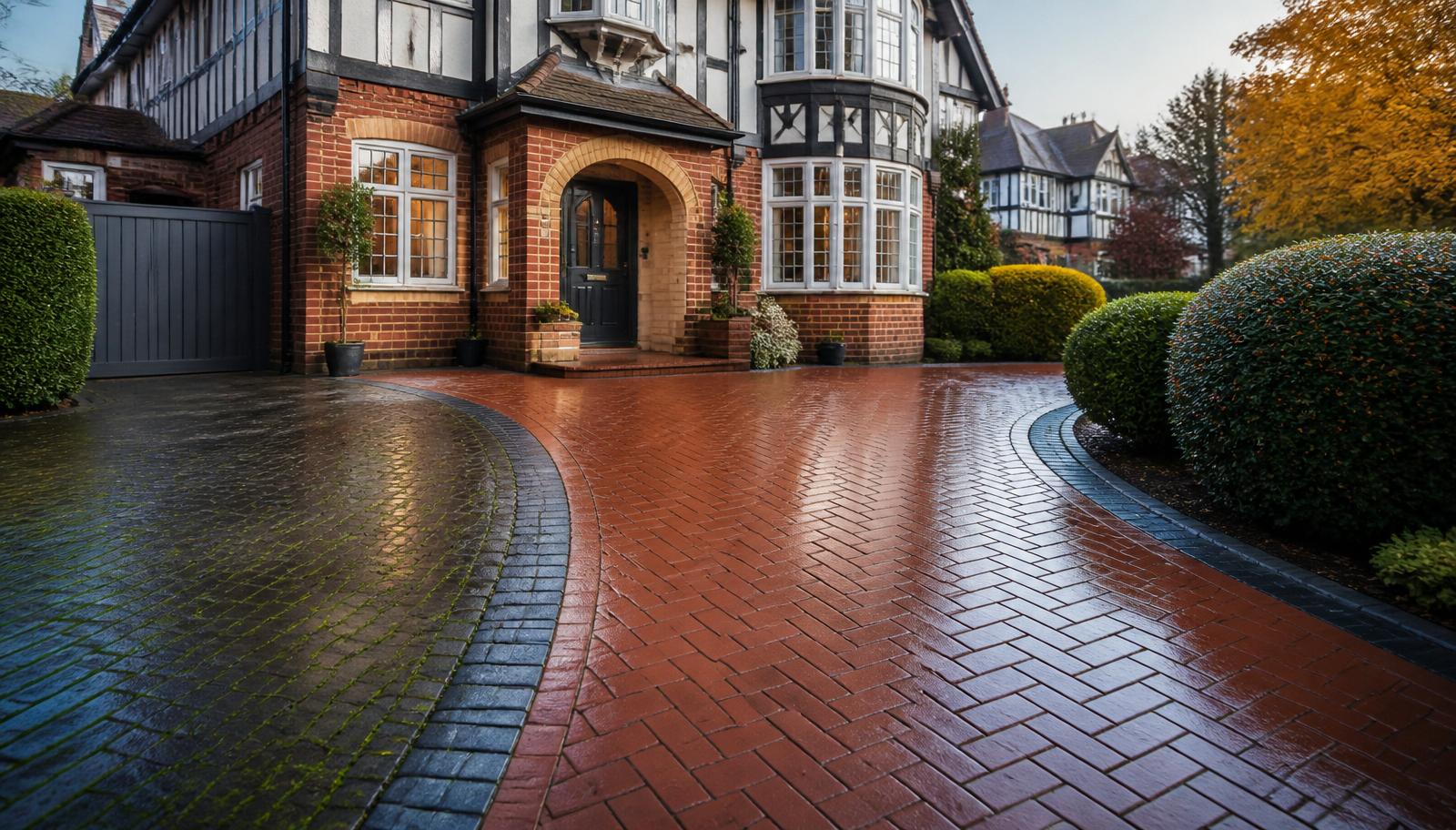
A substrate-by-substrate 2026 guide to cleaning Victorian brick, Yorkstone, Staffordshire blue pavers, Indian sandstone and imprinted concrete across Birmingham, Solihull and the Black Country — with local postcode notes, a seasonal calendar, honest DIY-vs-pro maths and what a proper professional quote should include.
Read guide →Unlocking Curb Appeal: The Best Jet Washing Services in the UK Restoring Your Property’s Pristine Finish with Industrial Precision As we move through…
Read guide →Free quote in Astley
Find the company online with some very good reviews so started to try out on my end of tenacy cleaning. Turn up way before what I expected which turn out it was very good. good cleaning thoughtout and I would highly recommend this company. the only downside was there was no parking, I don't have… Read in full →
Sardar gave me a great spring clean and the patio clean with professional chemicals. It was fast and reliable service. Will definitely do it again!
Hello Services provides excellent jet washing service that completely transformed my driveway , highly recommended at this price .
Quoted verbatim from reviews customers left on our public Google and Trustpilot profiles. Nothing is edited, shortened beyond the link above, or written by us.